Playing with Fake Music on a Piano | Should You Do It? | Will It Help You Play Piano Better? | 2026 Report | Fake Book Music is an actual real thing, in case you didn’t know. Below is a fairly concise & accurate definition by AI of what a “Fake Book” is:
What They Are
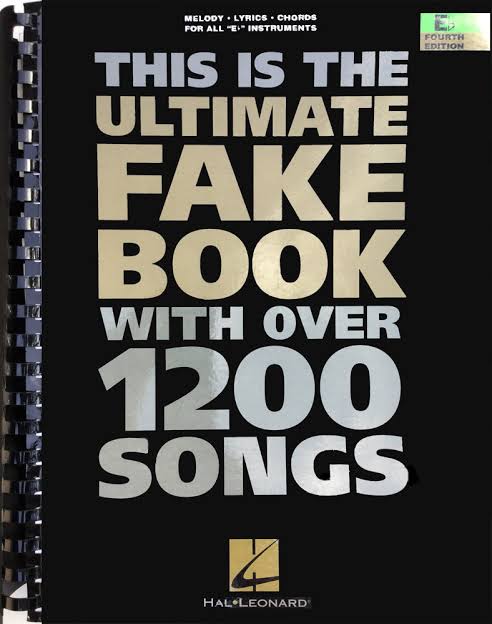 A fake book is a collection of lead sheets (sometimes called fake sheets). Each song is written in a very compact form that typically includes only:
- The melody line
- Chord symbols (e.g., Cmaj7, Dm7, G7)
- Lyrics (when the song has them)
There is usually no full piano arrangement, no written-out left-hand part, no detailed intro/ending, and no orchestration. Musicians are expected to “fake it” — i.e., improvise a complete performance (accompaniment, fills, style, etc.) from that basic information.
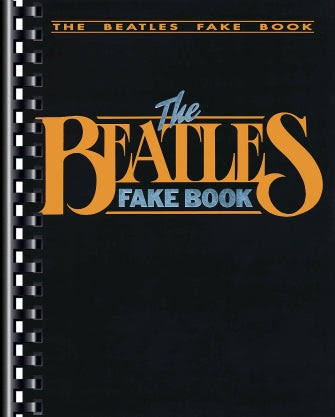
There are hundreds of different types of Fake Book music and music styles available to musicians and non-musicians.
Why They’re Useful
- Fake Books are extremely practical for gigging musicians who need to play many songs on request.
- They are compact: hundreds of songs can fit in one volume.
- They are Ideal for jazz, but also used for pop standards, Broadway, Religious music & hymns, Christmas music, folk, and more.
- Fake books are great for learning songs quickly when playing a piano or guitar and for practicing improvisation and chord-based playing.
There are literally hundreds of different Fake Books available for purchase in music stores and online. The books cover just about every type of music you can think of and many of those “Fake Books” have been around for many years and many decades. Besides the advantages already mentioned concerning Fake Books, another advantage is allowing people who like music, and can either read regular right hand melody notes or they can play the melody “by ear,” an opportunity to play the entire song because if that person can play “chords,” even though they cannot read or play the bass clef, they can still play and enjoy the song because they can play the left hand part using chords which are easier to learn and play as compared to traditional left hand bass clef.
In other words, rather than a student or novice piano player absolutely needing to learn to read traditional sheet music, they can play the song by chords from a chord chart and work out the right and left hand with chords, reading a relatively simple melody note line and/or playing the song by ear as long as chords are available from “Fake Books.” Does that make sense? If a student of any age is taking lessons from a piano teacher either in person or online, and they are having a difficult time learning the traditional left hand part, then it may be time to play and learn chords for the left hand based on chord symbols that are found in “Fake Books.”
 Traditional music books typically do not include the chord symbols in the sheet music and therefore Fake Books are needed to get that kind of “Chord Music” to help with learning those songs faster. Fake Books & chord chart key combination patterns can really help with being able to play various songs without needing to understand, learn, and play traditional left hand bass clef music or other non chord style music. As a long time piano teacher I definitely recommend this method to certain students who need it and take advantage of it rather than seeing that “student” drop out of piano lessons altogether because they become frustrated and want to quit.
The goal is to keep students and others playing the piano and enjoying that opportunity and musical adventure for as long as possible. There is not just “One Way” to learn to play piano. Different people learn and enjoy things in different ways, and playing piano is no different. Playing piano and enjoying the experience is our goal for our students and others who do play or want to learn to play piano.
Reading regular piano sheet music is great because if you do that well then you can pick up sheet music and just read it like you are reading a book, and then you can just play that song, even if you have never played it before. Being familiar with the song does help, but “sight reading” regular music definitely has some big advantages. However, using fake music to play a favorite song also has advantages as we have already mentioned and we do recommend it for different reasons and for different people depending on your musical goal and abilities.
 So the question “Playing fake music on a piano…should you do it?” is answered by saying “Yes.” You definitely should do it if that’s the way you want to play and enjoy piano playing and interacting with the music that you like to hear. It is more common for adults to use Fake Music books than it is for children because normally children will take more traditional pianos lessons and many of them will learn to read traditional sheet music, and some kids do a better job of that than others.
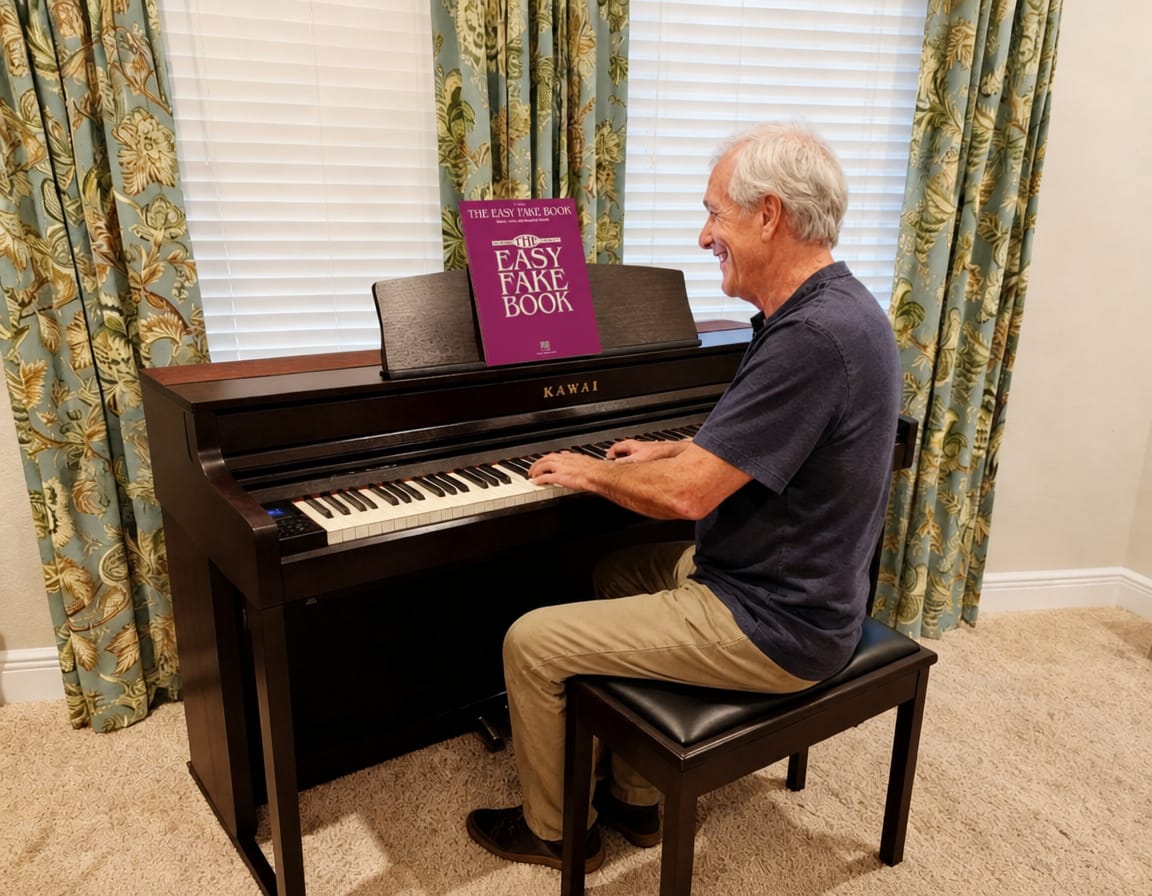
But if reading music well doesn’t happen for you, no matter what age you are, then do not give up. There are “Fake Books and chord charts” available to help with piano playing in a way that traditional music cannot do. Playing piano can be an amazing experience in a number of helpful and healthy ways. Our focus is on good digital pianos because we believe that many of the newer digital pianos can make piano playing and learning even more enjoyable and interactive than traditional acoustic pianos can do. Please contact us and we will personally help you with your digital piano and music questions.