

 Korg B2+/ B2+SP Portable Digital Piano (aka: B2 Plus) | REVIEW | July 1, 2026 | A new model that focuses on “Piano Playing” and the piano playing experience. The Korg music products company from Japan started over 60 years ago and has produced a variety of pro music products that many professional musicians from around the world have used and played. Although Korg has produced keyboards and digital pianos for a number of decades, even though it is a very popular company when it comes to pro keyboards and “stage” digital pianos, they are not as well known in the area of home digital pianos as compared to Yamaha, Kawai, Roland, and Casio.
Nevertheless, the Korg company makes some excellent digital pianos for home and professional use and I have played on their various models for many years and like them very much. They have innovative technology that other digital pianos do not have and Korg is known globally for putting out impressive digital pianos for even lower prices than their competition and offering a “bigger bang for the buck” when it comes to focusing on the “piano playing experience.”
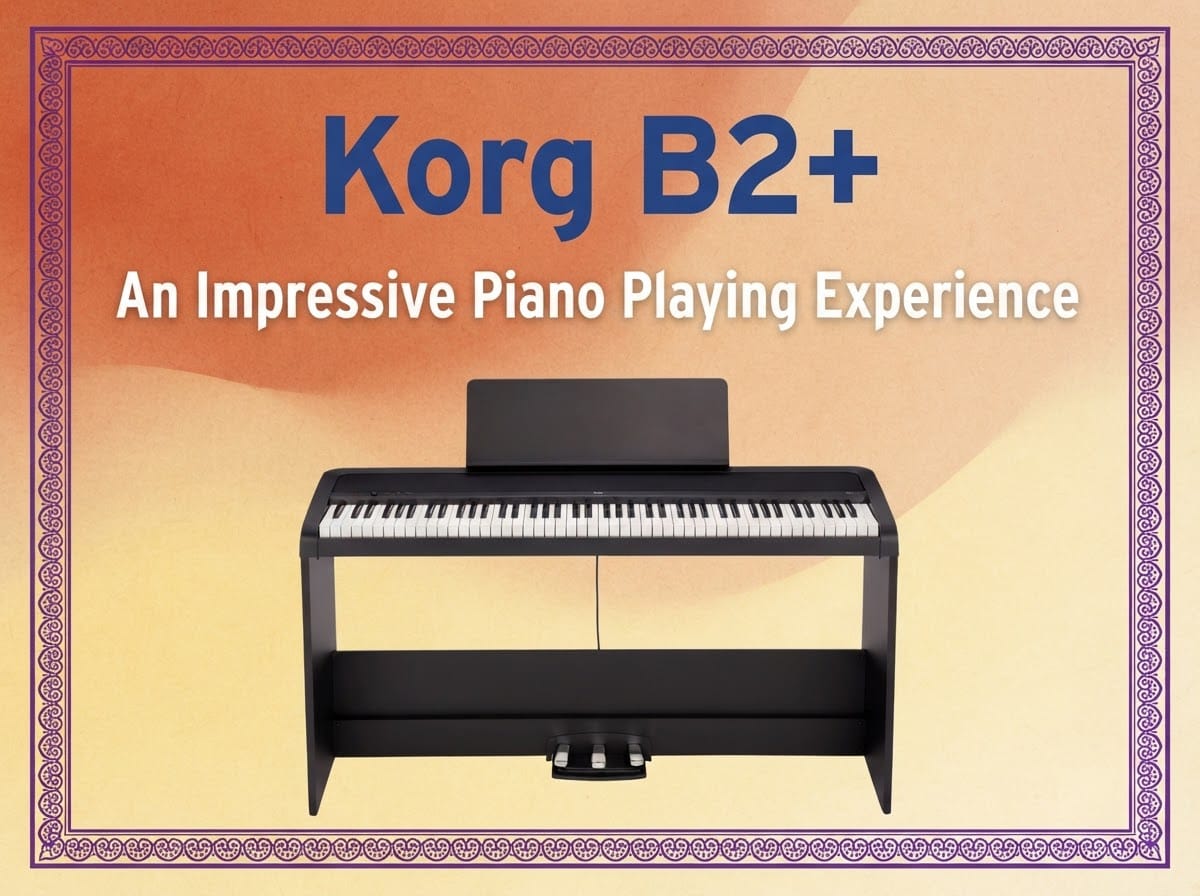
The Korg company also has an excellent higher end home digital piano called the G1 Air at $2499 which we like very much. But in the low price range they recently came out with the portable model B2+ and B2+SP. Those 2 model numbers are the exact same piano with the difference being the “SP” version offers a matching furniture style stand and triple pedal unit with the piano in one complete package. The B2+ (without the furniture stand and triple pedal unit) currently sells on sale for $599 and the B2+SP is $799. So for just $200 more you get the upgraded proprietary stand and triple pedal which is less money than buying those accessories separately, should you want them.

So why would someone want the new Korg B2+ over what Yamaha, Kawai, Roland, and Casio offer in their portable models under $800? After playing the B2+ for many days and hours to give it a fair evaluation, the answer is simple; if what you care about is primarily “playing piano” and you need to keep the price down at a lower range, then that’s what the Korg B2+ is all about…mainly for an impressive piano playing experience at a low price.
The B2+ is a very simple looking instrument. It has 4 buttons on the control panel and one knob…that’s it. For some people this can be a good thing because there are not lots of buttons, sliders, and knobs to get in the way. It has all that it really needs for piano playing, but it actually does a lot more than that, and I will talk about that a little later in this review.
KEY ACTION
But the most important thing in a digital piano, or any piano, is the key action movement and structure. When it comes to playing piano and giving your fingers a good physical piano playing experience, the key action is the #1 component in any piano. You do not want the key movement to be too heavy, too light, noisy, or clunky like some key actions can be. The physical nature of the keys and key movement will either allow you to be a better player or inhibit your playing.
 The actual physical touch-weight of the keys are measurable in gram-wight and that’s how they do it on an actual acoustic piano. The amount of force it takes for the fingers to press down the keys and the amount of force the key exerts on your fingers as the key comes back up from being pressed won is very important. The average key touch-weight (aka: down-weight) force on middle C on a real acoustic “grand” piano is about 55 grams. This touch-weight is important for a responsive key that is comfortable to play but not too heavy and not too light.
 The key touch-weight/down-weight force on the white middle C key for the B2+ is about 58 grams which is nearly perfect. Many digital pianos in different price ranges have much heavier touch weight with some getting up to 80 grams or more. It’s OK to have slightly heavier “touch-weight” but not where it causes hand, wrist, and finger fatigue. The key return force called “up-weight” should also not be too strong with keys coming back up too hard which will also cause discomfort and alter good playing technique. On the B2+ the key return force weight (up-weight) on middle C is at about 33 grams which is quite good and comfortable for a digital piano.
For instance on many Roland digital piano models between $500 to $2000, the up-weight force is about 45 grams for middle C based on our measurements. This means the return force is to strong and not only can cause playing fatigue, but it’s just not very comfortable. Good key movement and playing comfort are important and the Korg B2+ is surprising very good at it in this lower price range.
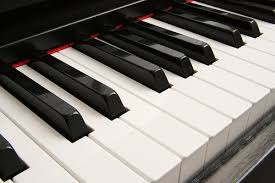 On the black keys, the key touch-weight force tends to be slightly different for most digital pianos because those keys are shorter, but the touch-weight for the black keys should not be substantially different than the white keys, and the Korg B2+ does a good job on the black C# key as well when it comes to down-weight and up-weight measurements. So over all I would rate the B2+ key action movement as quite responsive, good key weight, physically quiet keys when they are moving up & down, and comfortable to play, especially as compared to some other brands & models in this price range. The keys are not “compact” in size as some other bands and models are in this price range, they are normal size which is important. So we really do like the key action movement on the Korg B2+ and they did a good job with this one.
One final thing to mention with regard to the physical keys on the B2+ keyboard action. Some digital piano brands and models have what they call “synthetic ivory & ebony” key-tops. In other words, there is a simulated material put on the tops of the keys to make them feel more textured like piano keys did way back in the early to midi 20th century when piano manufacturers could use real elephant ivory and real ebony tree material on the keys. They did this to give the keys are more “organic” feel which also helped absorb sweat from the fingers.
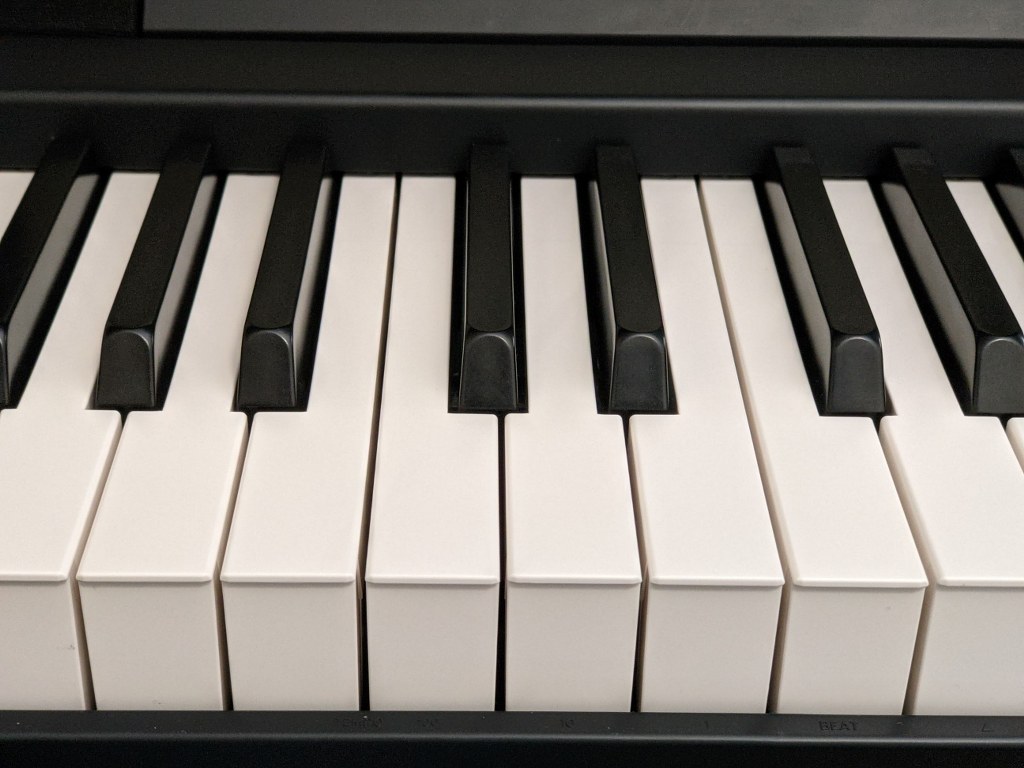
However, the ivory and ebony would wear out over time on acoustic pianos and also turn a bit yellow with wear and tear. Also, later in the 20th century it became illegal to kill elephants for their ivory tusks and illegal to chop down ebony trees from Africa and southern Asia for their wood. So acoustic piano manufacturers made their white keys out of a special hard plastic and black keys no longer had the ebony tree material on them, and that’s the way it is today.
So Korg uses the more normal material from acoustic pianos for their B2+ key-tops which is a hard white and black plastic. For me it is not an issue one way or the other and the Korg B2+ keys feel good to me as well as natural as compared to a real acoustic upright or grand piano. Whether the keys are synthetic ivory and/or ebony or not, what’s most important is the key weight and movement of the keys, as well as being mechanically quiet, which Korg does very well on this model.
PIANO SOUND REALISM
As for the piano sound realism in the B2+, that is the next most important part of any digital or acoustic piano. The way the sound projects, resonates, its dynamic range and expressiveness, its stereo field in sound movement, the overall clarity, and bass response are all important components of a good, realistic acoustic piano quality piano sound reproduction. For it’s low price and relatively small size, this B2+ model has a beautiful huge piano sound. There are 5 different acoustic piano sounds to choose from so you get different “flavors” of piano tone from big and bold to more mellow or more bright and sharp.
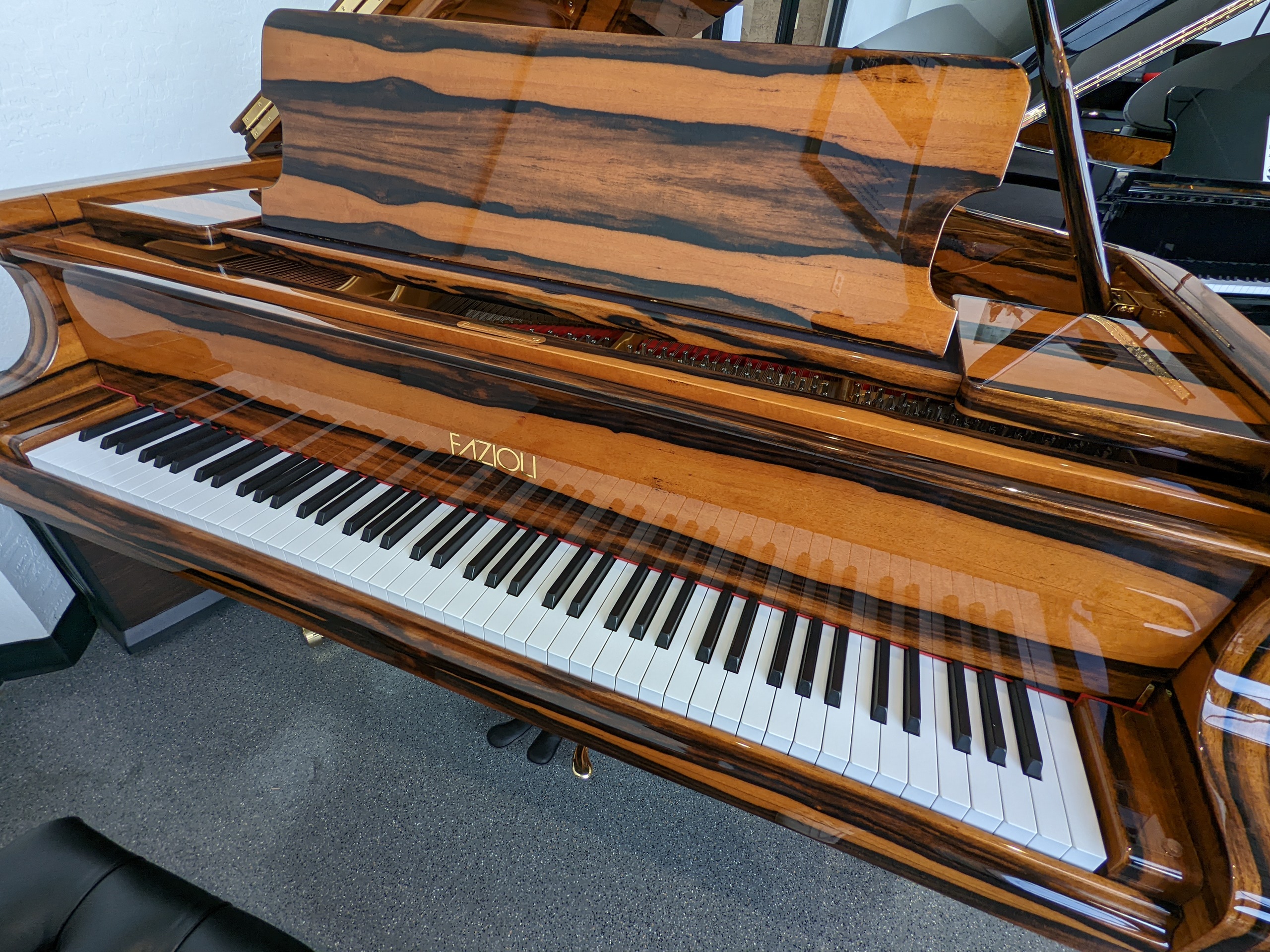
So it just depends on what type of music you’ll want to play as to which piano sound you’ll want to use. Korg says that it derives the B2+ piano sounds from Italian grand pianos and German grand pianos. What that really means is the piano sounds supposedly come from Fazioli Italian grand pianos and Steinway German grand pianos. They cannot use the actual acoustic piano brand names in their advertising and promotion because then Korg would have to get their permission and also likely have to pay those piano companies royalty payments.
 For me it is not so much which piano brands the sounds come from, as long as they are good brands and models. But are the piano sounds in the B2+ any good, do they sound real, do they have q good consistent stereo sound field, and a wide even dynamic tonal range, etc? After hours and hours of playing and listening to the B2+ piano sounds I can say that all 5 acoustic piano sound reproductions are good ones with the Fazioli Italian grand piano sounds being noticeably more realistic and enjoyable to play.
Most digital piano brands out there is this price range or higher do not use Italian grand piano sounds and instead use Japanese or other European piano sounds. Typically the Italian Fazioli grand pianos are more exclusive and more costly and harder to find, and having those piano sound reproductions in a digital piano can be a big plus for a company like Korg. Here’s a link to the actual Italian Fazioli grand piano website so you can learn more about them if you wish: Fazioli Grand Piano info
The 3 Fazioli grand pianos sounds in the B2+ are referred to as “concert,” “ballad,” and “jazz.” Essentially what these names translate to as far as the sound goes in the Italian concert piano is a full piano sound that has a bold sound with crisp high end frequencies, good mid-range, and a big bold bass tones. Definitely a favorite of mine. The Italian ballad piano is a bit more mellow and muted without being lifeless or plain. In other words, it’s a more mellow less bright version of the concert piano sound. The Italian jazz piano sound is noticeably brighter and more distinct and probably better for pop and modern music as opposed to the concert or ballad piano sounds. All 3 of them are enjoyable to play and sound great in my opinion. If the B2+ only had these 3 piano sounds in it, this would be enough piano sounds because they are so good.
 The other 2 grand piano sounds are the “German” grand piano samples. Korg calls these 2 piano sounds “concert” and “classic.” The concert tone is full and a bit brighter and the classic piano tone is more subdued and mellow. After playing these 2 German piano sounds for quite a while I noticed that they sounded somewhat more “mono” instead of being more “stereo.” This is also true when I was wearing headphones and listening to all the piano sounds. While some people may enjoy playing the German piano sounds, I wasn’t as impressed with them as I was with the Italian grand piano sounds. Having 5 different piano sounds is still a good thing because variety can always be helpful and useful.
So when it comes to the actual acoustic type piano sounds in the Korg B2+ portable digital piano, I like them as much or better than other name brands of digital pianos I have played in this general price range and I think you will too. The B2+ is definitely a “winner” when it comes to its piano sounds & realism when playing them on its keyboard, and I got great tonal expression and tonal range from the piano sounds along with very good volume transitions when striking the keys harder or softer. Definitely a very good piano playing experience.
Pedals & Sustain Time
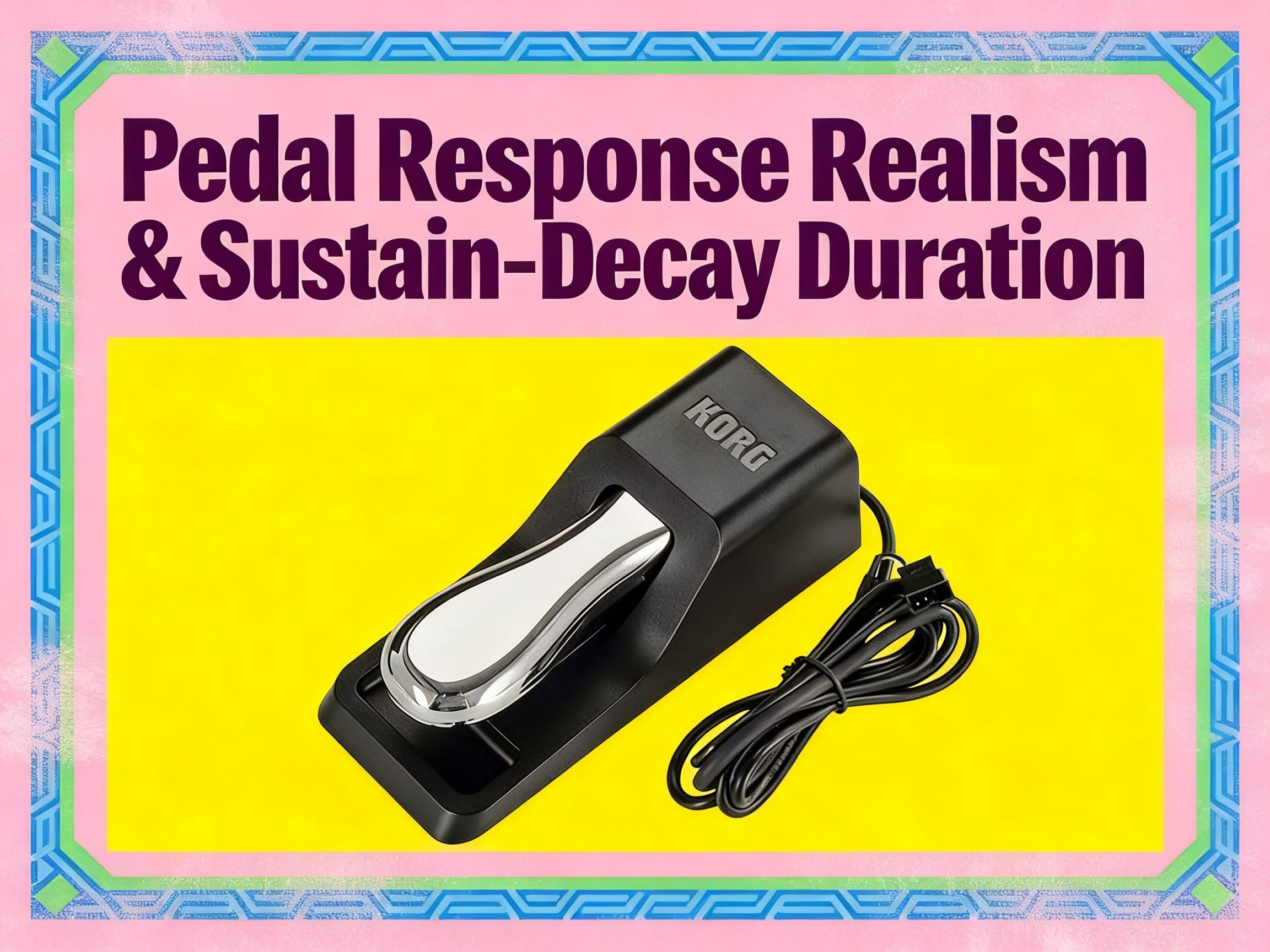
Next in order would come the pedal response realism and sustain-decay duration. Having a good sustain pedal that works well, is mechanically quiet, and works together with the piano to provide good sustain quality when playing piano sounds is very important. In other words, don’t overlook the physical pedal that comes with the piano and what it can do. The B2+ has an adequate amount of sustain and note duration, so that is good. The physical single pedal which is included with the B2+ is a good one and also looks and is designed more like a real sustain pedal than on other brands and models in this price range. The pedal itself has a reasonable amount of resistance when pressing down the pedal with your foot, so it’s not loose or too tight.
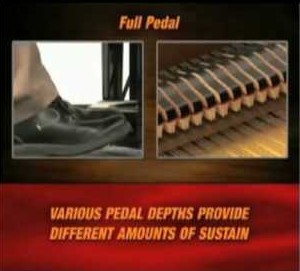 The only downside concerning the pedal and sustaining the piano sound is that it doesn’t have “half-damper” effect. Some digital pianos in this price range have that feature and some don’t. Half-damper does not mean you only get half of a foot pedal! It means that the sustain time that it can produce is “variable” with different amounts of sustain time depending on how far down you press the pedal and the movement of the pedal as your foot releases pressure from it.
On some digital piano models the pedal sustain is only on or off, no matter how little or far down you press the pedal. With the “half-damper” feature, you get a variable amount of sustain (aka: decay time) depending how far down you press the pedal. The sustain “half-damper” feature is the better one to have because it offers a variable amount of sustain time, but not having it should not be an issue if you are a beginner or even lower intermediate player. In reality anyone can enjoy the sustain pedal experience on the B2+, but as a person improves in their piano playing skills, then having the pedal half-damper sustain feature becomes more important, and the Korg B2+ cannot do that.
B2+ Instrument Sounds & Features
The B2+ is a fairly simple to use portable digital piano. It has 12 instrument sounds that are accessible from a a button on the control panel called a “sound button.” Every time you press that button you get a different instrument sound. There are 5 acoustic piano sounds, 3 vintage electric piano sounds, 2 organ sounds, harpsichord, and string violins. Of the acoustic piano sounds the 2ns selection is my favorite although like them all for different reasons. The 1st three pianos are in stereo and they sound really good, like a big piano. The next 2 acoustic piano sounds are good, but they sound more like they are in mono, and not as good as the 1st three.. The 3 vintage electric piano sounds reproduce the famous Fender Rhodes electric piano, the Wurlitzer stage electric piano, and the Yamaha DX7 stage keyboard electric piano.
 The 3 vintage electric pianos actually sound really good and they have a percussive attack feature built in to each one of them and that will give you the feeling you are playing the real thing, depending how hard you strike the keys. Those sounds are also in stereo and give a good sound field spread to those instruments. The organ sounds recreate a pipe organ and a Hammond B3 jazz organ, both of which are excellent. The pipe organ has a big, bold sound and is in stereo and the Hammond B3 jazz organ is very percussive and has a “Leslie speaker” rotary simulation which is also quite good. I like the other non-piano sounds as well including harpsichord and strings. So Korg did a much better than average job in recreating those different sounds, and that comes as no surprise because Korg is a famous world-wide pro keyboard company well known for creating impressive instrument sounds.
 The instrument sounds cannot be mixed/layered or split so you can only play them one at a time and you cannot access them directly with a single button for each sound or a menu button. Instead you have to scroll through them to get the one you want. However, no matter which instrument sound you are using, if you want to quickly go back to the beginning acoustic piano sound, there is a default button on the panel called “Play Piano.” If you press that button then you instantly get the 1st default acoustic piano sound. So that’s a good thing but some people could want to layer or split sounds on the B2+, and this model cannot do that. But the instruments it does have sound great if you use them one at a time and can get used to the user interface and the way it accesses those instrument sounds.
By the way, there is a way to instantly select the exact instrument sound that you would want, but it’s still not necessarily intuitive. You have to press and hold 2 buttons at one time and then press a specific white or black key to get the sound that you want. Essentially you use the “function” setting and then find and press the key that would access that sound. I will talk more about this later.
 With regard to the instrument sounds including the pianos, there is 120 note maximum polyphony on the B2+ which for this model is enough. The sampling and polyphony spec work well, I didn’t run out of notes being heard when playing any of the sounds, and even though other name brand digital pianos in this price range have 192 or 256 notes of polyphony, the B2+ still has plenty of note memory to get the job done, and beyond that. The instrument sounds themselves are excellent overall and very playable. The sustained instrument tones like organs and strings have continuous sustain on the B2+ when pressing and holding down the sustain pedal unlike other brands such as Yamaha which cannot do that, even when holding down the sustain pedal. So the B2+ does excel in that area and that feature can be very important.
The one other button on the B2+ control panel is a metronome button which operates and triggers the metronome for timing practice. A digital metronome is a useful feature and can help in learning the timing and rhythm to a song or any piece of music. You can control the volume and timing of the digital metronome by pressing and holding down both the “piano play” and “sound” buttons at the same time which makes it a “function” settings and then looking at a paper menu to see settings in the functions to change those things when pressing down certain white or black keys which change those specific settings. It’s not as difficult as it sounds, but if there was a digital screen of some sort on the B2+ it would be easier and more intuitive to do, but is is no screen.
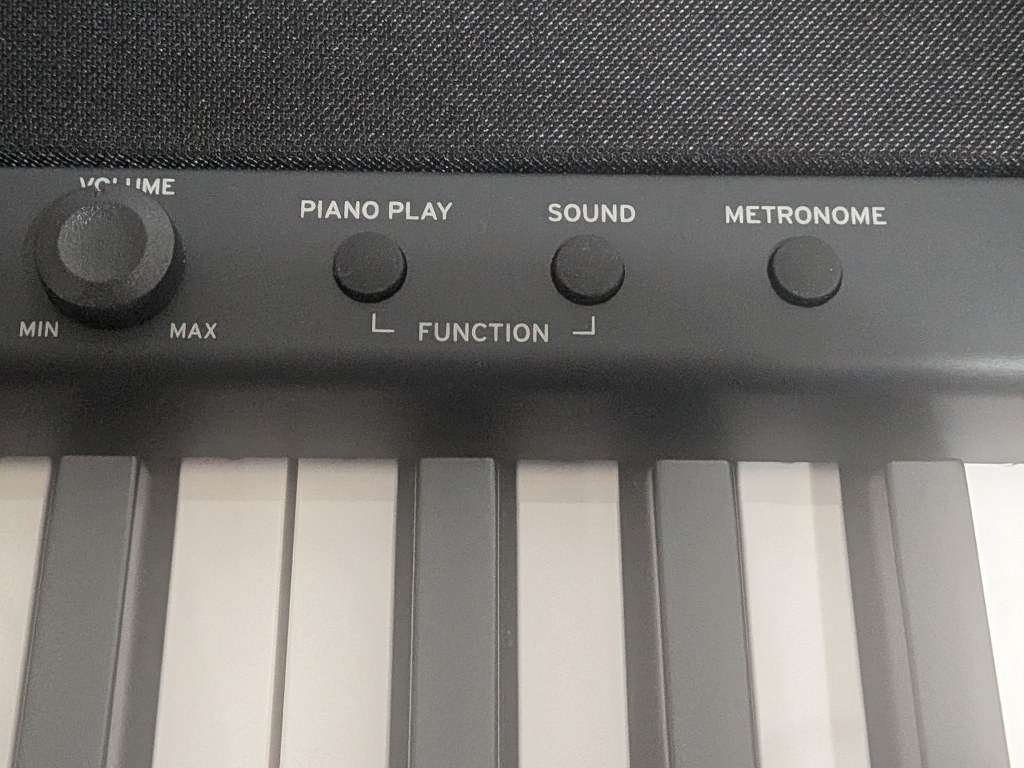
When pressing down and holding the “piano play” & “sound buttons” at the same time, you can also access and control other built-in features on the B2+ like key touch control being light, normal medium, or heavy. You can also control & change the transpose key (which can be useful), access reverb echo or chorus for stereo effects to add ambience to your music, access local on/off, change MIDI channels, fine-tune the pitch, and access the B2+ 12 built-in demo songs.
So there really are quite a few things that this model can do on it. Some people may use them for different musical purposes and others won’t. Nevertheless, the Korg B2+ is primarily focused on piano playing and piano learning.
 There is also a feature in the B2+ called the “Partner Mode.” To enter this mode, while you are pressing the power button on the B2+ also press down the metronome button at the same time and then you will have entered that mode. Then you will notice the 88 keys will be electronically split into two 44-key sections with one side sounding the same as the other side so that 2 people can practice the same song at the same time with all the keys sounding the same in both 44-key sections, even though 2 people are playing in different octaves. Some people use this feature and some don’t, but it can be useful if it is used correctly.
 A couple of other important things to mention. The 1st one is the internal speaker system. This speaker system is 30 watts total and can get loud if you want it to…really loud! You can adjust the volume knob and play the B2+ very quietly all the up to very loud with good frequency response, good bass tone response, and no obvious distortion, even at loud volumes. The internal speakers are fairly large and they point upward out of the top of the B2+ so you can hear them well unlike some other portable digital pianos that may have their internal speakers under the keyboard or behind the piano itself pointing backwards.
So when it comes to the Korg B2+ internal speaker system with its clarity, good frequency response, and larger maximum volume, this model is arguably the best in its class and price range, can fill up a room with good volume, even compete against other models for a couple hundred dollars more. Overall I am very impressed with the internal speaker system and its power and ability to sound good.
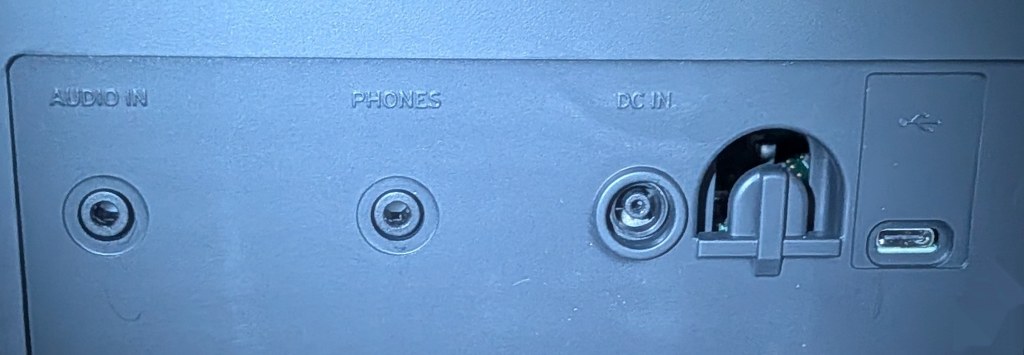
As far as built-in hardware and other connectivity goes, the B2+ has the newer USB “C” port for direct external USB MIDI device connection along with being able to simultaneously transmit audio though a USB cable for 2-way sound and MIDI transmission. There is also a mini stereo headphone jack on the back of this piano which works good, but I would have much preferred that jack to be on the front left side of the B2+ for easier access. In addition to all that, there is an audio input mini jack to connect external audio devices directly to the B2+ to hear the sound of any external device come out of the B2+ internal speaker system. So overall, for this price range, the B2+ has excellent connectivity for a variety of uses.
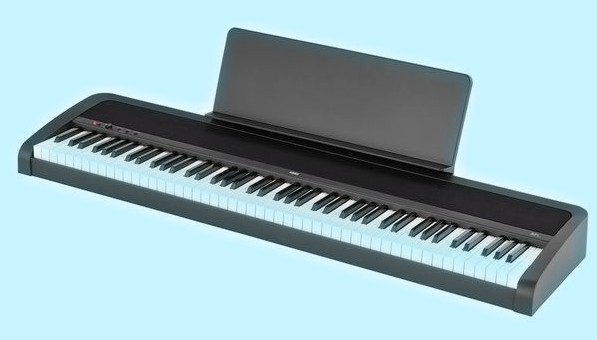
When it comes to the physical cabinet, it is quite portable and easy to handle. The physical measurements are “51.65 × 13.23 × 4.61” and it weighs only about 25 lbs, so for its size it’s very lightweight. The cabinet seems well designed, looks attractive, has a good tight grill cloth over the internal speaker system array, and as compared to some other other portable digital pianos under $800, it looks fairly classy. The included music desk (rack) is also large and can hold a good amount of music comfortably whereas other brands are not quite as capable in that way. I believe that for the money, Korg did and excellent job in giving people a very nice instrument with the essential features that many people want when it comes to a portable digital piano.
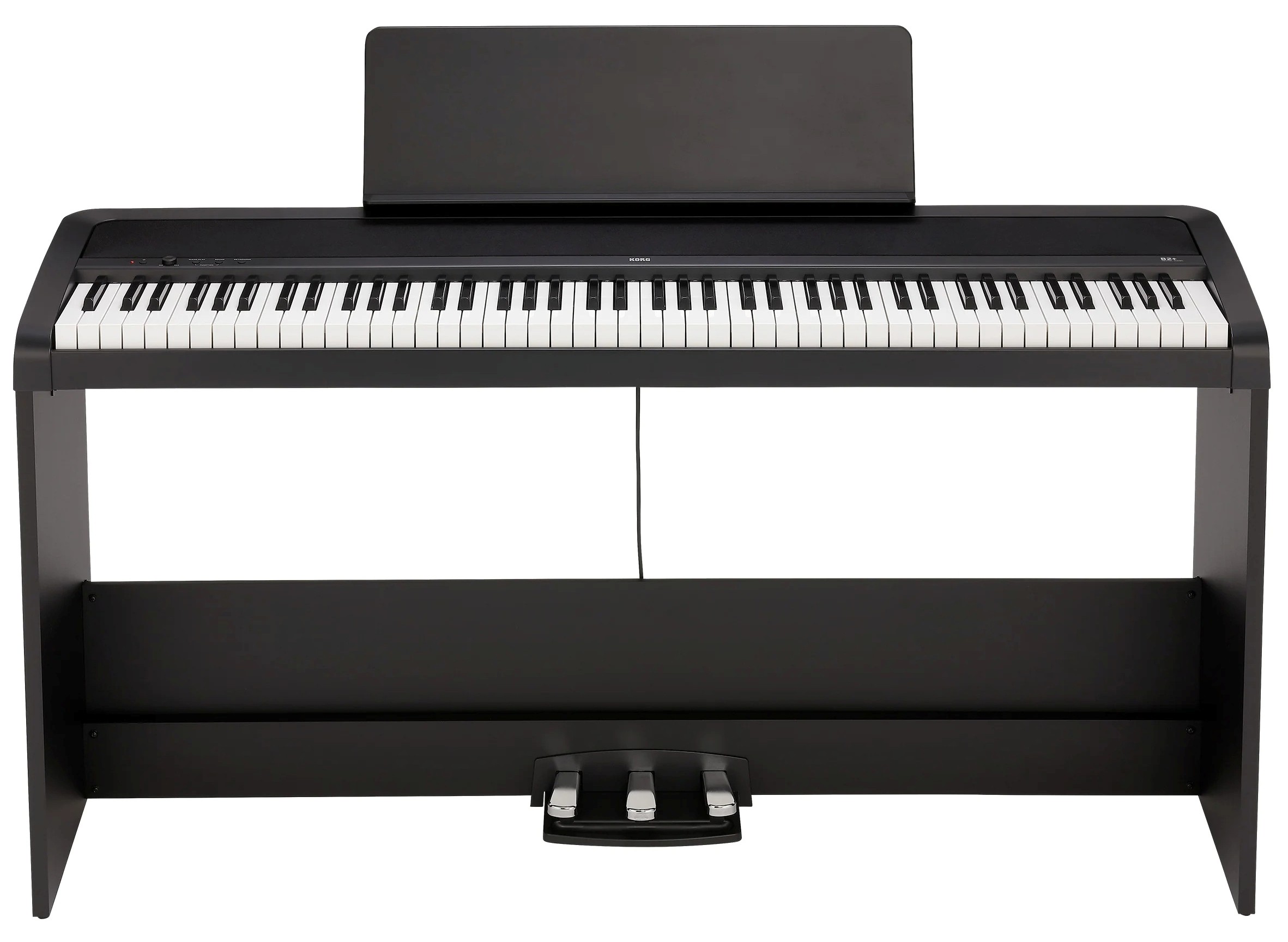
There is also an optional version of the B2+ called the B2+SP which is the B2+ including a normally optional furniture style stand and a triple pedal unit. So for an additional $200 you can get that entire package instead of payment more money and buying those things separately, assuming you would want them. Finally, this new Korg model B2+ replaces the prior Korg B2 (no +) and the “+” version offers some very good upgrades over the previous B2. So if you see the previous B2 for sale somewhere, I would recommend you pass it up unless the price on it is substantially less money than a new B2+. This new B2+ model by Korg is definitely a winner overall for what it offers at its low price and we do recommend it.
Are there better portable digital pianos out there in terms of a more authentic piano playing experience. Yes there are, but they are also more money, and the Kawai ES120 at $899 is one of those models. It just depends what you want and need, musically speaking, and how much money you are willing to invest in that purchase. Let us know and we can help you with any top brand and model.