
SPECIAL REPORT – Piano Playing & the Human Brain | What Happens When They Are One? | When someone plays the piano very well, their brain is doing it all. The brain controls their arms, wrists, hands, fingers, body movement, sitting position, body position, hand position, finger positions, color differences, body balance, eye movements, feet movement, head movement, hearing the music and understanding which notes are being heard, rhythm, tempo, musical expression, note reading, memorization and remembrance of the music, understanding of the music, feeling the music, and and even much more that all of that. These things are all done simultaneously by the human brain and controlling all or our body parts…in an instant in real time. Playing piano gives your brain a huge “work-out!” It’s like exercising everything in you and about you all at one time and in extreme conditions!
When someone gets to the piano playing skill level of becoming “one with the piano,” in reality they really are that way. In fact, the piano player may not have to really “think” about what they are doing…they just do it…naturally. Also, that piano player may not even need to read the music anymore because they have memorized the song or piece of music and then they just play it without even thinking about it. Just like walking down the street and your legs and arms move. You don’t think about your legs and arms moving…they just do. But that doesn’t mean what the brain process is doing at the moment is not complex. It’s extremely complex in the way it works, especially when it comes to playing the piano well, and even if you are just a beginner.
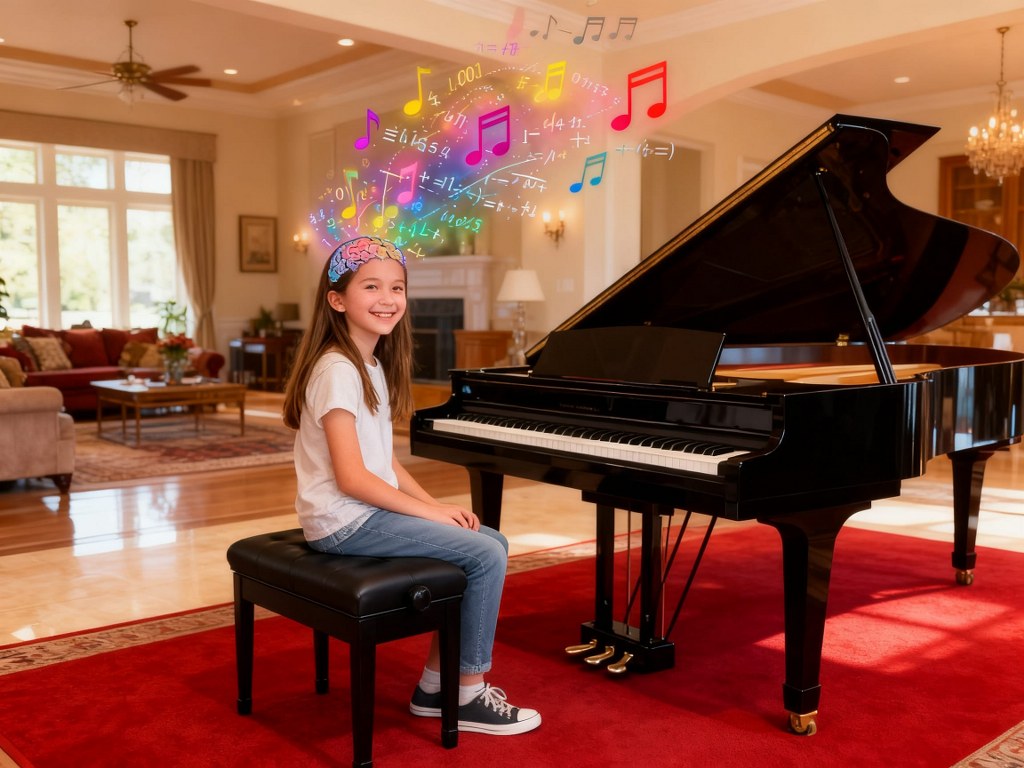
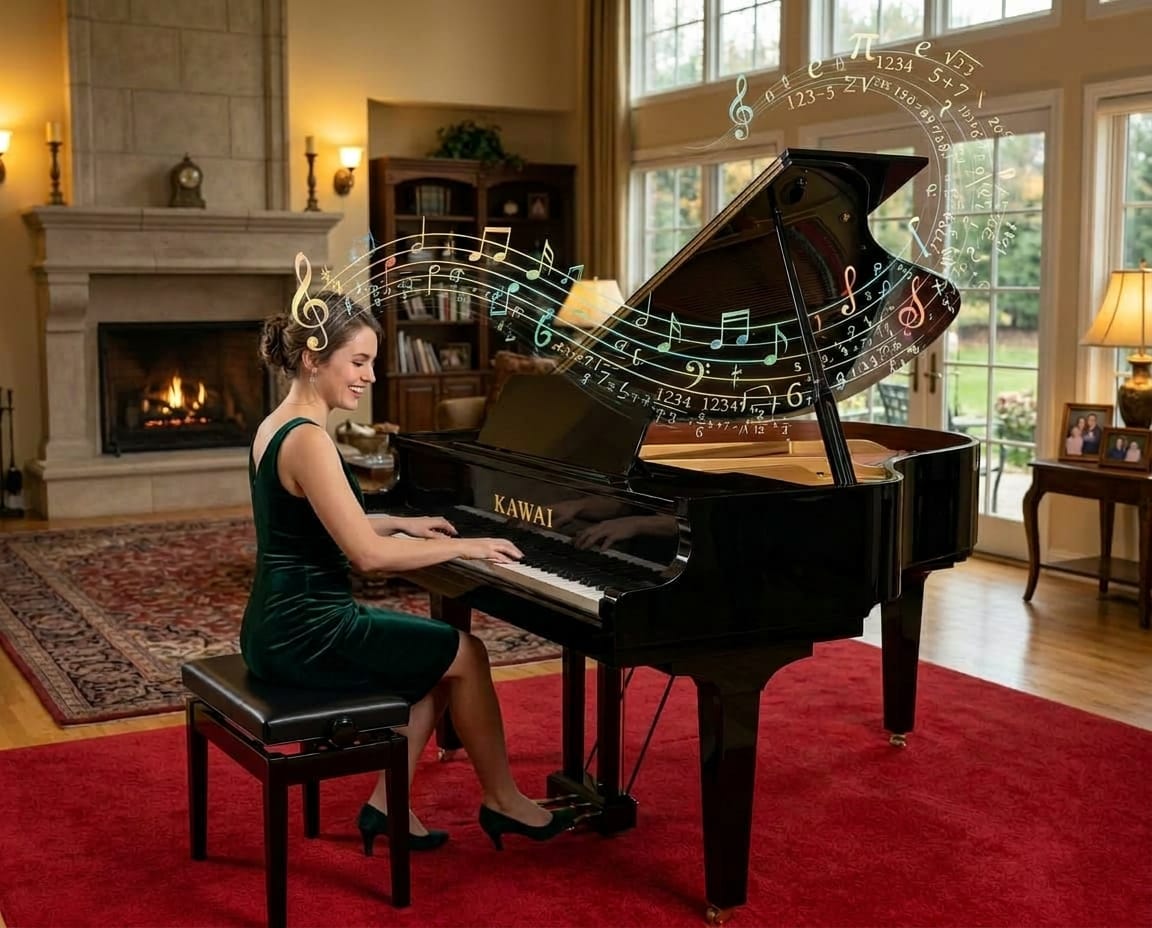
Everything the brain allows you to do or allows you to think is always complex when it comes to the reality of what’s actually going on in your brain. It controls everything about you…everything! Those squiggly tube-like formations of the human brain (called sulci grooves) that visibly look like they are an alien puzzle with a somewhat soft or mushy material along with other connective parts of the brain, are processing information within and outside your body all the time. How does all of that work and the brain does it so perfectly? Have you ever thought about that? Music is notes, numerical numbers, and equations, among other things. They flow from the human brain.
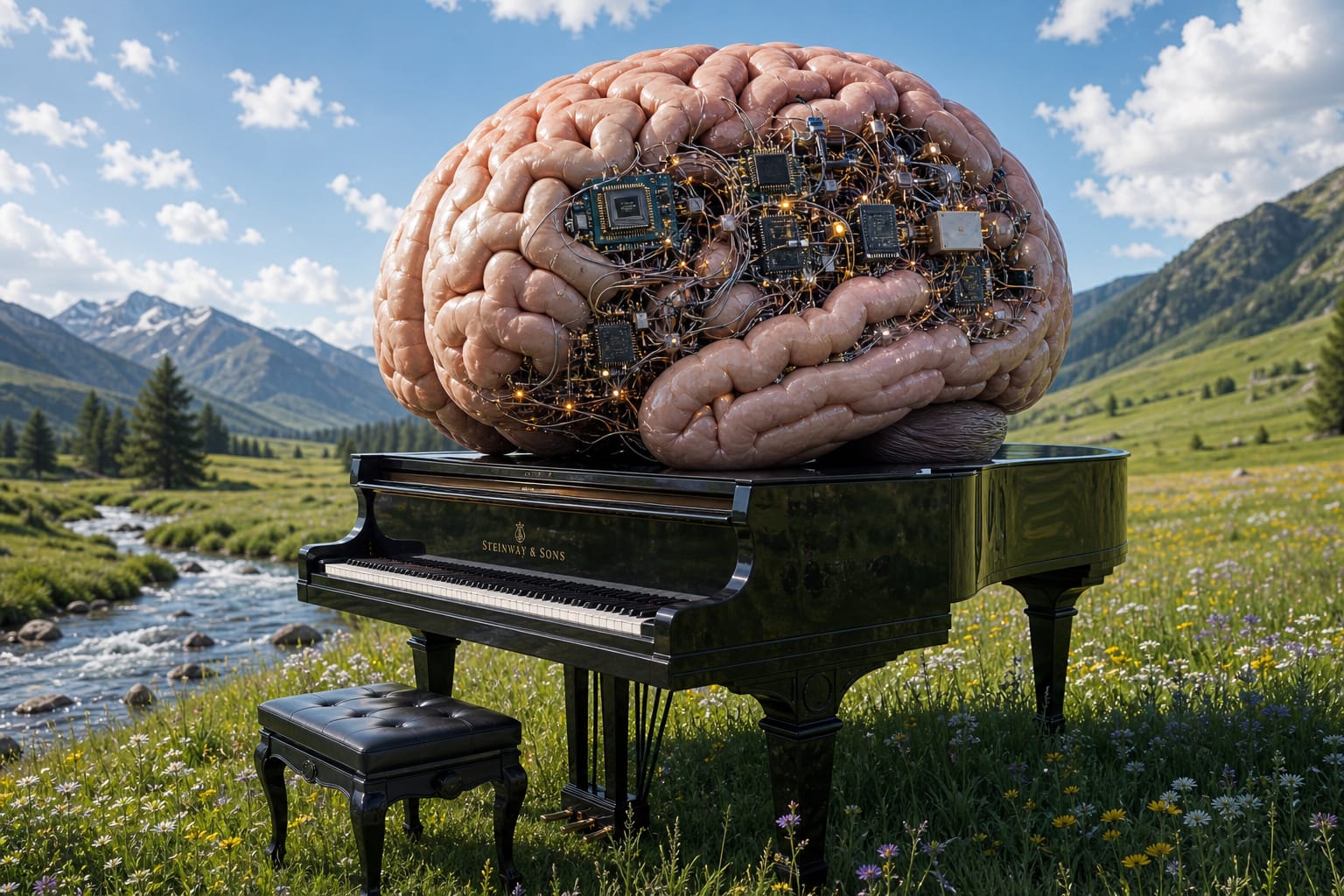
Did the human brain just “appear” one day in the human body and start to work on its own in the ways that it does so we humans could exist and live like we do? Did the human brain on its own just start correctly and perfectly processing thousands of human operations all at one time, inside and outside of the body, with no programming or learning? It can just do it? Maybe the brain is controlled by computer chips and AI inside of it so that it can do all of what it does correctly? How could humans exist and operate from the very beginning if the brain couldn’t work at all because it had no information in it yet? Where did all the brain information come from and when? What does all of this have to do with music and piano playing?
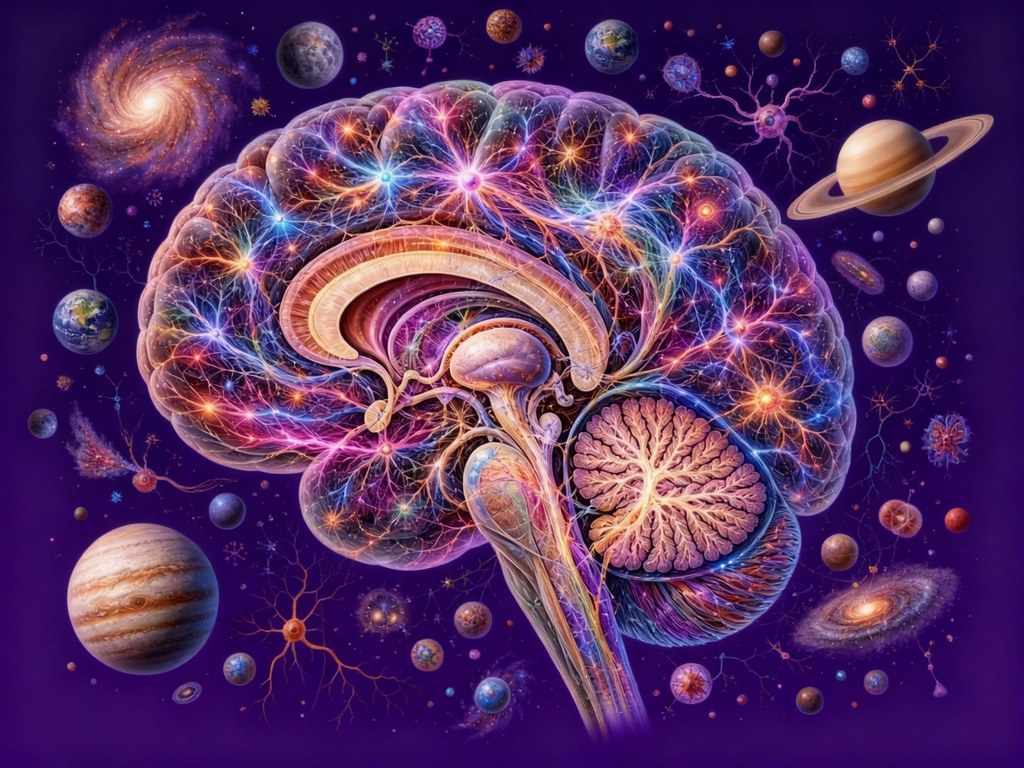
We know there are amazing physiological and biological things that take place in the human brain when the brain is experiencing things through the human senses such as our eyes, mouth, ears, taste, feel, smell, etc. The senses pick up the things around us and our brain processes these things in lightning speed and in ways we generally cannot comprehend. Our brain activity and processes are different than they are in animals, ocean creatures, and other life forms. However, the human brain and the way it works in a structural, thinking, and “electrical way” is not what we are specifically talking about here.
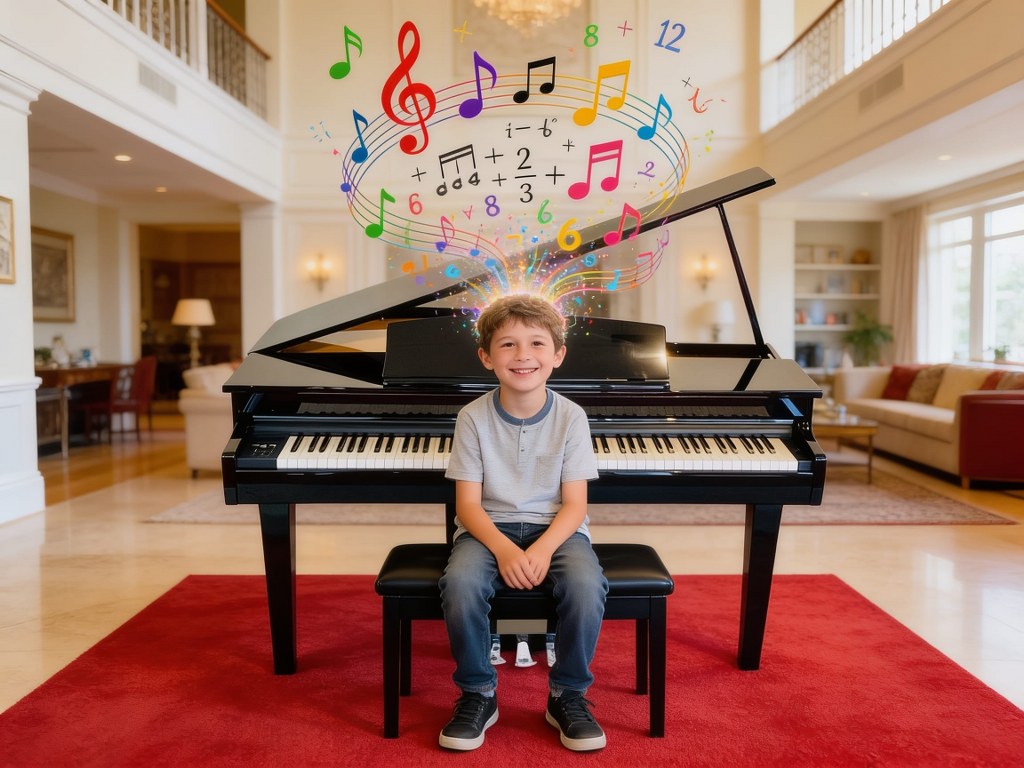
What we are mainly talking about is having to do with the piano player at any age becoming “one with the piano.” Becoming “one with the piano” means you don’t have to consciously “think” anymore as you are playing music on the piano or doing other similar activities. Your brain allows you to play the music with it just flowing out of your brain and fingers subconsciously. Every body part that functions when the piano player is playing piano does so because of the brain. The brain sends the “messages” to the body and “to your soul,” musically speaking, and then your fingers move and make music come out of the piano.
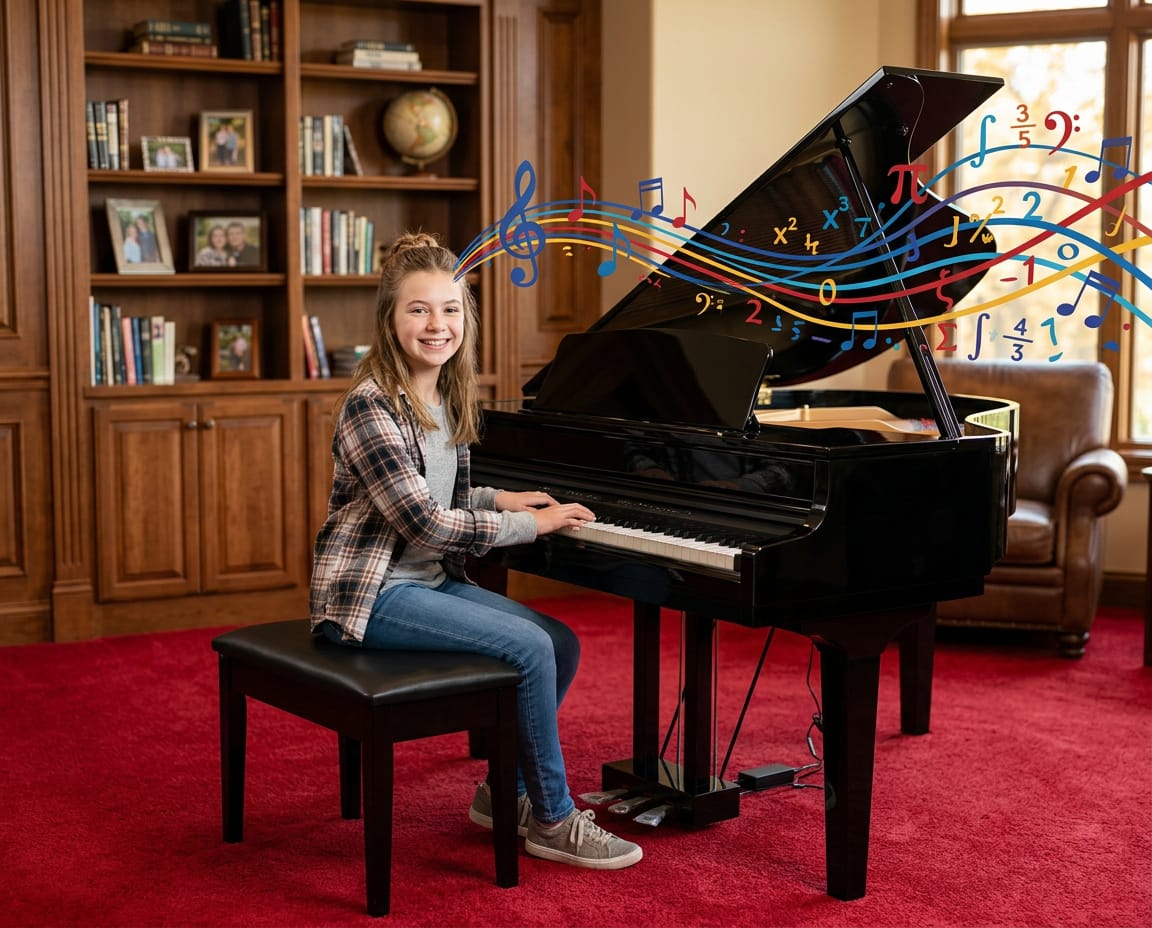
To the untrained eye and untrained observer, a person who is playing a piano could look like they can just “do it” and the music just comes out the way it does…by luck, by accident, by having learned it, by training, by ear, by what? No matter what your age is, what your level of piano playing experience is, what your training is, what type of music you are playing, your brain and your love and desire for what you are doing are in control. The outcome may seem natural and easy to the casual observer, but the human brain is doing it all in such complex ways that it is hard to imagine!
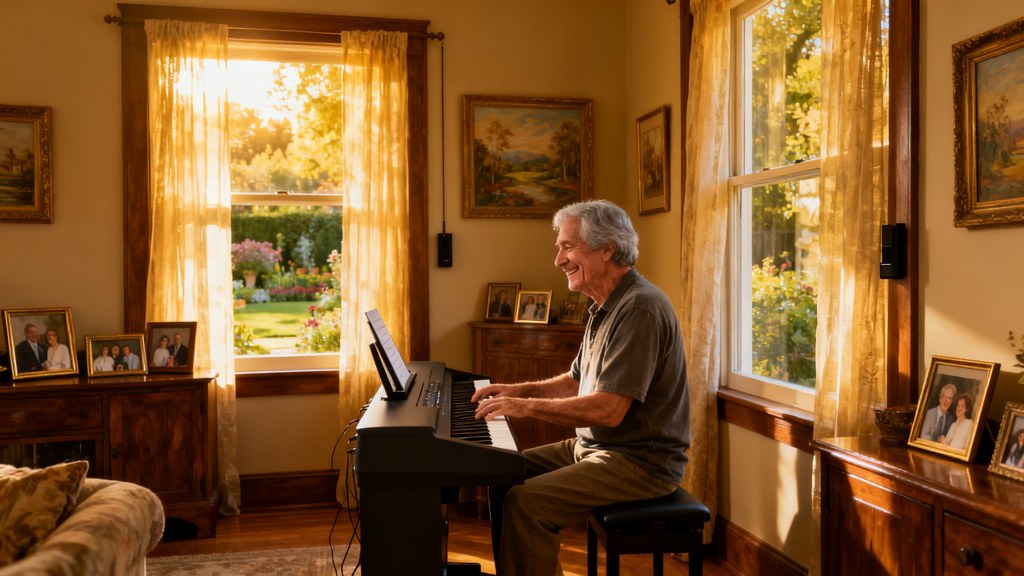
But for most people who play piano, it is not about the mental exercise, it’s about being able to emotionally express yourself in a personal and fulfilling way. Some people express themselves through their hobbies such as playing and/or watching sports, painting, drawing, writing, talking, sewing, building things, working on repairing vehicles, or growing natural things such as plants, flowers, food, etc. Some people express themselves by the cars they drive, the clothes they wear, the jobs they have, the tattoos they have put onto their bodies, the homes they live in, and the music they listen to.
But with piano playing and musical instruments in general, playing an instrument is how most people express themselves emotionally in a variety of ways. The expressions on the faces of people when they play the piano and other musical instruments can be amazing to watch. With piano, a person is able to play melody and harmony all at the same time and also sing the lyrics of a song at the same time as they are playing the piano. There are few instruments which allow you to do that.
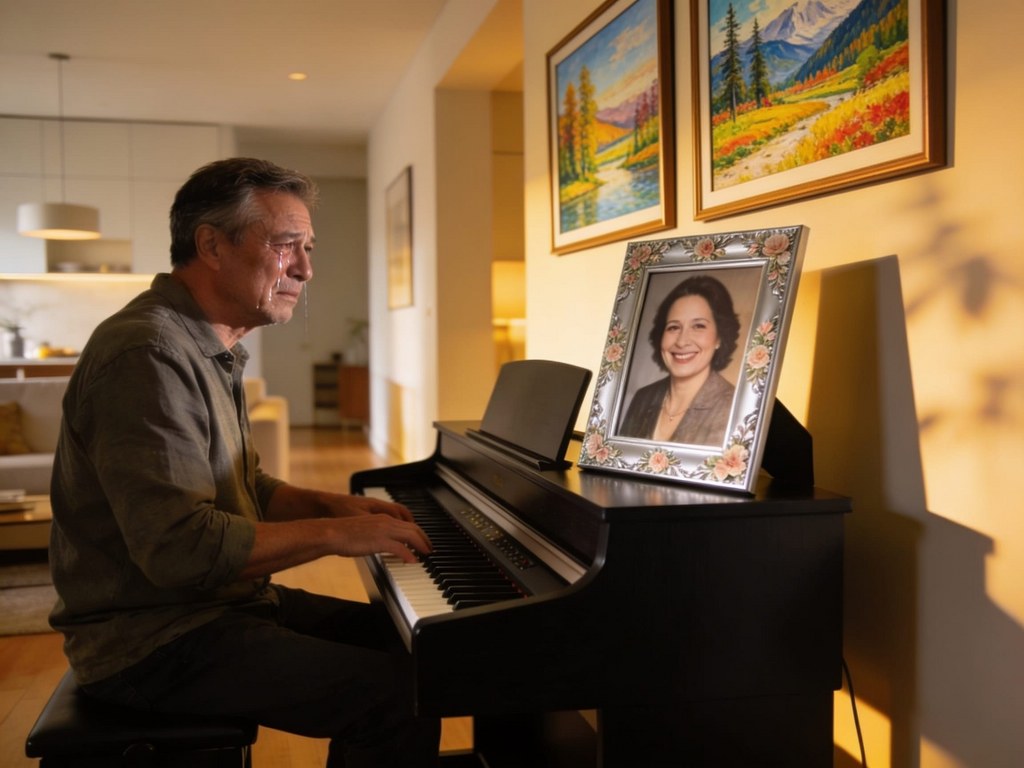
It is so wonderful to simultaneously produce beautiful, sad, happy, or exciting musical melody, harmony, and sing at the same time. The human emotions that can come out of a person when playing music on a piano is what it is really all about. It is there for you to “express your deep emotions,” and the better you are at playing the piano, the better you will be at expressing those emotions in a musical way.
The man above is expressing his grief by playing his digital piano because his wife of 35 years has recently died from an unexpected deadly brain tumor. He is playing piano and crying while looking at his wife’s photo on top of his piano. Playing the piano helps this man express his sorrow and grief in a very personal way. Learning to play the piano along with utilizing some helpful and impressive features that good digital pianos have, can make the process more enjoyable and allow you to express deep emotions in a musical way.
So do yourself and/or others in your family a favor…learn to play piano, assuming you don’t know how already. This is especially important if you enjoy music, gravitate towards wanting to listen to music and be around music, and you want to express your emotions in a deeper, more personal way. Music has its own “language” and playing the piano has been proven to be good for you in so many ways, no matter what age you are and what, if any, piano training you have had. Being able to play and enjoy piano is not “rocket science.” Nearly anyone can do it…as long as you love music and want to be an active part of it. Music is life, and life is Music.