

 Roland LX9, LX6, LX5 digital pianos | COMPARISON REVIEW – June 3, 2026 | The Roland music products company is a well known Japanese company which makes pro and home music products including home and pro digital pianos and keyboards. They have been in business nearly 55 years and are well known throughout the world. I have personally played on hundreds of Roland models throughout the years and I know their various models very well. As with nearly all top name brands and models of digital pianos, many of their products I like very much, and a few I do not.
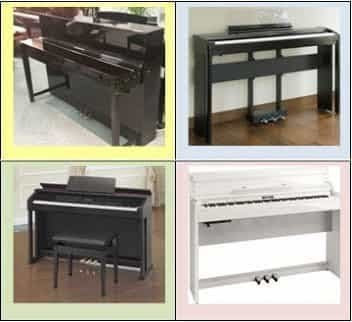
When it comes to the new updated higher-end Roland home upright digital pianos, their top model is called the Roland LX9 which sells on-line for a discount price of $6799 in the matte black cabinet finish, $7599 for the hi-gloss polished ebony cabinet finish. For $50 more at $7649, the LX9 comes in a polished white finish. The next model down is the LX6 which sells for $5299 in the matte black or matte rosewood cabinet finish and $5849 for the LX6 in the polished ebony finish. The lowest priced LX5 model sells online for $3999 in the matte black, rosewood, or light oak finish, and in the polished ebony finish the LX5 sells on-line at a discount price for $4499. Matching benches are included with all models.
 In this very detailed, hands-on review, along with important info on these models that you will not find anywhere else, we are reviewing the LX models individually as well as comparing them with each other in great detail.
This review is the most authoritative review on the internet for the Roland LX9, LX6, and LX5. We have extensively played these 3 LX models and have a complete understanding of them. This special review will allow you to make a fully informed decision as to which model will best meet your musical, visual, and budgetary needs, assuming you decide a new Roland LX model is what you want to own.
There are obviously other good brands and models of furniture cabinet digital pianos out there. However, these LX models are unique and compelling in a few important ways which you will learn about as you read this review. Thanks for stopping by our site and we hope you enjoy this informative review.
Roland Piano Company History


The Roland corporation was founded by Ikutaro Kakehashi in Osaka, Japan in 1972 which makes the Roland company 54 years old. The Roland name was a created name for the sake of marketing in the early days so it would sound more American-English and be easier to pronounce. So there is no “Roland” when it comes to the company name. The founder and owner of Roland, Mr Kakehashi, had a lot of experience creating various pro music products prior to creating the Roland company in 1972, and he and a small team of product engineers produced many top selling products.
These products included electronic drum machines, synthesizers, special effects products, MIDI equipment and protocol, MIDi guitars, digital drum kits, pro audio equipment, instrument amplifiers, organs, digital accordions, digital pianos, keyboards, music software and hardware, and many other music related products.
 Many years ago, I even met Mr Kakehashi in person, but he has since passed away since then. Although Roland is a Japanese music company like Yamaha, Kawai, Casio, Korg, and a few others, they do not make acoustic pianos like Kawai, Yamaha, or Steinway. But the talented people who work there are musicians and have produced some very compelling digital musical instruments and products over the years. I have always admired their company for many important innovations and they are a important force in the pro and home music business. I would definitely recommend Roland products overall when it comes to having some competitive digital music products.
Roland does have an American office that is located in Los Angeles, CA, but their internal headquarters is in Japan. Many of their products are produced in other countries such Malaysia, China, and Taiwan.
*SPECIAL UPDATE: For the month of July or when supplies run out at Roland warehouse, whichever comes first, there is an unadvertised “instant rebate” on the Roland digital piano LX models off the regular internet discount price, which rarely happens. If you decide the any of the Roland LX models will best fit your musical needs and budget, then before you purchase anything anywhere, contact us right away because we can help you get that instant rebate along with an additional discount on top of that, while it’s available.

ROLAND LX9, LX6, LX5 – COMPARISON
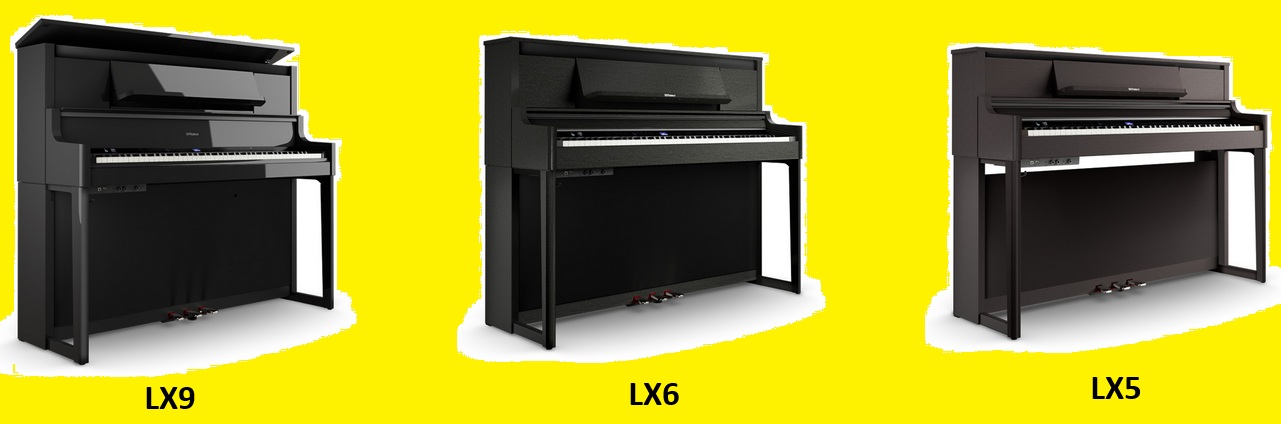
The 3 models in the current Roland LX digital piano series, LX9, LX6, and LX5, are separated by approx $1500 each. So it does take a financial commitment to go up to the next model if you are starting at the LX5, or even starting at the LX6. I have played these 3 models extensively and overall I like them very much. There are a couple of important things on all 3 models that I don’t particularly like, and I will mention those things a bit later in this review. Not only will I talk about the main components that are a part of all digital pianos including the key action, piano sound realism, pedaling, and internal speakers systems, but I will point out the other important differences among these 3 models and why you might want one over the other, depending on your price range and musical goals.

The first thing that would be good for everyone to see is how the “specs” of these three LX model Roland digital pianos compare to each other and what you are really getting for your money. With that in mind I have created a detailed “comparison spec chart” below for all three LX models. I have also included a lower priced Roland model in the comparison chart, which is just below the LX5, and is called the HP704. It sells for $2999 discount price in the matte finishes, and more for the polished ebony cabinet finish.
The HP704 has been out for a number of years but is still a good selling model for Roland, and they have not changed or upgraded that model in a long time. But that’s OK because it has some good things going for it, has a very nice cabinet design, and is substantially less money than the LX5. So you can also see how that model compares with the new LX models in case you need to be in a lower price range.
ROLAND PIANO LX9, LX6, LX5, HP704 SPECIFICATION COMPARISON CHART
|
SPECS |
LX9 |
LX6 |
LX5 |
HP704 |
| Key Action | Hybrid grand keyboard | Hybrid grand keyboard | PHA-50 hybrid keyboard | PHA-50 hybrid keyboard |
| Down-weight/Touch-weight
Middle C/C# |
58 grams – C
59 grams – C# |
58 grams – C
59 grams – C# |
60 grams – C
65 grams – C# |
60 grams – C
65 grams – C# |
| Up-weight/return force
Middle C/C# |
45 grams – C
49 grams – C# |
45 grams – C
49 grams – C# |
47 grams – C
53 grams – C# |
47 grams – C
53 grams – C# |
| Keys | 88 plastic & wood keys with haptic key vibration feature | 88 plastic & wood keys | 88 plastic & wood keys | 88 plastic & wood keys |
| Hammers | graded hammer weighted | graded hammer weighted | graded hammer weighted | graded hammer weighted |
| Key Tops | Simulated ivory & ebony |
Simulated ivory & ebony |
Simulated ivory & ebony |
Simulated ivory & ebony |
| White Key Length | 10 1/8″ | 10 1/8″ | 8 3/4″ | 8 3/4″ |
| Escapement | Yes – simulated | Yes, simulated | Yes – simulated | Yes – simulated |
| Key Action Sensors | Physical
Triple sensor |
Physical
Triple sensor |
Physical
Triple sensor |
Physical
Triple sensor |
| Pedals | 3 pedals with continuous detection modeling | 3 pedals with continuous detection modeling | 3 pedals with continuous detection modeling | 3 pedals with continuous detection modeling |
| Half-Damper Sustain & Soft |
Yes – continuous | Yes – continuous | Yes – continuous | Yes – continuous |
| General MIDI inst sounds | Yes | Yes | Yes | Yes |
| Acoustic Piano Sounds |
4 grand pianos
5 upright pianos 3 old style classical modeling technology |
4 grand pianos
5 upright pianos 3 old style classical modeling technology |
4 grand pianos
5 upright pianos 3 old style classical modeling technology |
4 grand pianos
5 upright pianos 3 old style classical modeling technology |
| Piano Designer sound editing | Yes | Yes | Yes | Yes |
| Total Instrumental Sounds | total 324 – includes all piano and non-piano instrumental sounds | total 324 – includes all piano and non-piano instrumental sounds | total 324 – includes all piano and non-piano instrumental sounds | total 324 – includes all piano and non-piano instrumental sounds |
| Maximum Polyphony | Unlimited polyphony for piano tone category – 256 note polyphony for non piano sounds | Unlimited polyphony for piano tone category – 256 note polyphony for non piano sounds | Unlimited polyphony for piano tone category – 256 note polyphony for non piano sounds | Unlimited polyphony for piano tone category – 384 note polyphony for non piano sounds |
| Yes | Yes | Yes | Yes | |
| Reverb/ Ambience | 6 types Ambi
11 steps
|
4 types Ambi
11 steps
|
4 types Ambi
11 steps
|
Reverb only
10 steps
|
| Piano sound editing | Single note tuning, volume, and character | Single note tuning, volume, and character | Single note tuning, volume, and character | Single note tuning, volume, and character |
| Display Screen & embedded touch sensor buttons | Yes | Yes | Yes | Yes for display screen – no for touch sensor buttons |
| Basic functions | Dual /layer, split, transpose, Twin 4 hand, metronome | Dual/layer, split, transpose, Twin 4 hand, metronome | Dual/layer, split transpose, Twin 4 hand, metronome |
Dual/layer, split transpose, Twin 4 hand, metronome |
| Drum Rhythm Patterns – Registration memories |
yes – 80
yes – 36 |
yes – 80
yes – 36 |
yes – 80
yes – 36 |
no
yes – 36 |
| Touch curve key sensitivity | 100 adjustable incremental steps | 100 adjustable incremental steps | 100 adjustable incremental steps | 100 adjustable incremental steps |
| Recording & Playback |
3-part MIDI, I track audio wav,
MP3 playback |
3-part MIDI, 1 track audio wav,
MP3 playback |
3-part MIDI, 1 track Audio wav, MP3 playback |
3 track MIDI, 1 track audio wav, MP3 playback |
| Built-in lesson and listening songs | Total 394 songs | Total 394 songs | Total 394 songs | Total 392 songs |
| Bluetooth Wireless | Yes – Audio
& MIDI |
Yes – Audio
& MIDI |
Yes – Audio
& MIDI |
Yes – Audio
& MIDI |
| Connectivity | 2 headphone, USB to host, USB to thumbdrive | 2 headphone, USB to host, USB to thumbdrive |
2 headphone, USB to host, USB to thumbdrive |
2 headphone, USB to host, USB to thumbdrive |
| Additional Connectivity |
Input jacks: Stereo miniature phone type Output (L/Mono, R) jacks: 1/4-inch phone type – USB audio interface |
Input jacks: Stereo miniature phone type Output (L/Mono, R) jacks: 1/4-inch phone type – USB audio interface |
Input jacks: Stereo miniature phone type Output (L/Mono, R) jacks: 1/4-inch phone type – USB audio interface |
Input jacks: Stereo miniature phone type Output (L/Mono, R) jacks: 1/4-inch phone type – USB audio interface |
| Cabinet Speakers | 9 7/8″ x 2 in speaker box | 9 7/8″ x 1 in speaker box | 5″ + 1″ x 2 – coaxial cabinet & spatial spkrs combined | 5″ + 1″ x 2 – coaxial cabinet & near-field speakers |
| Near-filed speakers | 4 3/4″ x 3 3/16″ x 2 in spkr box | 4 3/4″ x 3 3/16″ x 2 in spkr box | 3 3/16″ x 2 | incl in cabinet speakers |
| Center Near-field speakers | 3 3/16″ x 2 | no | no | no |
| Spatial speakers | 1″ x 2 – dome type | 1″ x 2 – dome type | included in cabinet spkrs | 2″ x 2 |
| Internal amplifiers | 8 total amps
33 W x 2 |
5 total amps
32 W x 1 |
4 total amps
24 W x 2 |
4 total amps
25 W x 2 |
| Approx cabinet measurements -with music rest up normal |
55″ wide x 19.5″ deep x 46.5″ high – height is with cabinet lid closed. With lid open height is 49.5″
|
54.5″ wide x 19.5″ deep x 44″ high | 54.5″ wide x 18.5″ deep x 41″ high | 54″ wide x 18.5″ deep x 44″ high |
| Approx cabinet weight | 245 lbs | 196 lbs | 167 lbs | 135 lbs |
| Cabinet colors | Polished ebony, polished white, matte charcoal black | Polished ebony, matte charcoal black, matte dark rosewood | Polished ebony, matte charcoal black, matte dark rosewood, matte light oak | Polished ebony, matte charcoal black, matte dark rosewood, matte light oak, matte white |
| Factory warranty | 10 years
parts & labor |
10 years
parts & labor |
10 years
parts & labor |
10 years
parts & labor |
| Roland controller app |
Yes | Yes | Yes | Yes |
KEY ACTION
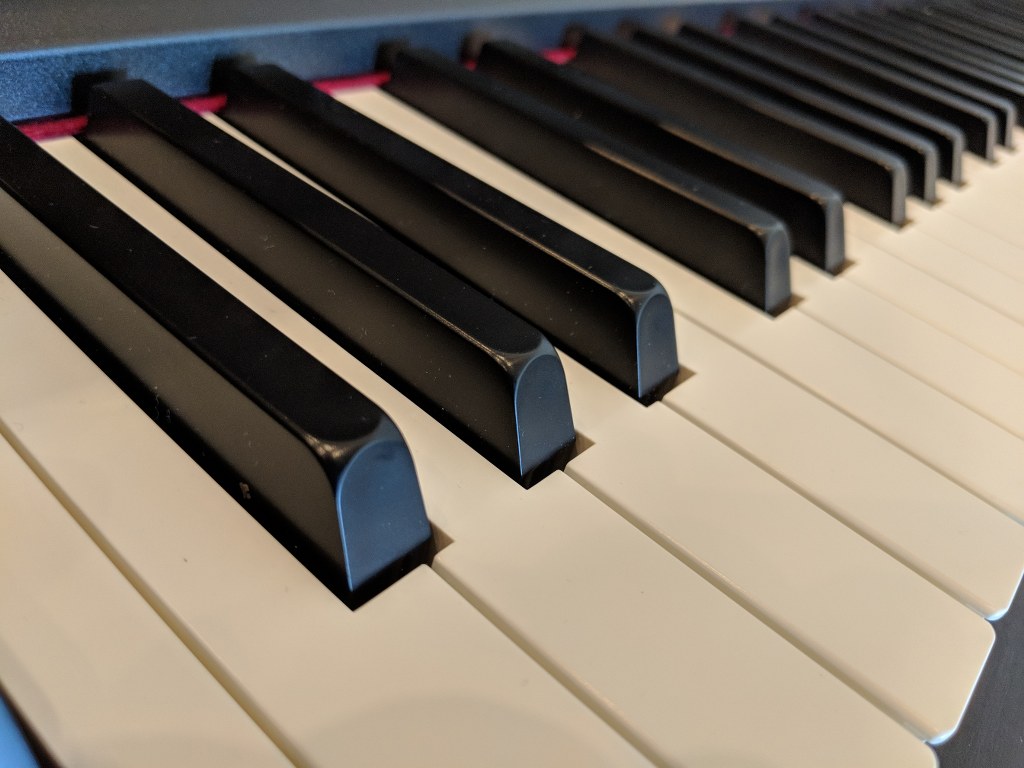
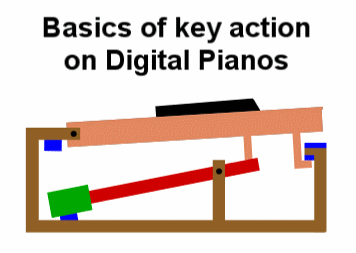 The key action design and key movent are the most important components in any piano whether it is a digital piano or acoustic piano. The key action is mechanical and needs to be properly weighted and balanced so that you can play music without forming bad playing habits because of the key action or needing to compensate for a poorly made key action that may also wear out prematurely.
The Roland LX series has 2 proprietary key actions designed and made by Roland which they call Hybrid “Grand” Keyboard and PHA-50 hybrid keyboard. The Hybrid Grand Keyboard key-action is in the LX9 and LX6 models. That key action does feel good and it works well when playing those two LX models. Although the white keys in the “HGK” are longer than the white keys in the PHA-50 key action, the Hybrid Grand key action is definitely not what is in actual grand pianos. Roland gave it that name because the Hybrid Grand action comes closer to the “feel” of an actual baby grand piano as oppose to the PHA-50 key action. The PHA-50 key action feels more like an upright piano to me than does the Hybrid Grand action, which feels a bit more like an actual baby grand.

It is good to know that the average length of a white key in a real grand piano is about 19″ long (or even a lot more) whereas the length of the white key in the Roland LX9/LX6 is under 11″ long. That’s a huge difference ,plus the mechanics of the moving keys are much different. So don’t get confused when you read about the “hybrid grand action” because it is not at all made like an actual grand piano. The “hybrid” portion of the white keys (not the black keys) on the 3 Roland LX pianos is that the outsides of the white keys are made of (slices of) wood, but the bulk of the key material on the inside of the key is plastic. So they are mostly plastic keys for the white keys with some help from the wooden sides giving the keys extra support, and it makes the outside of those keys look more realistic.
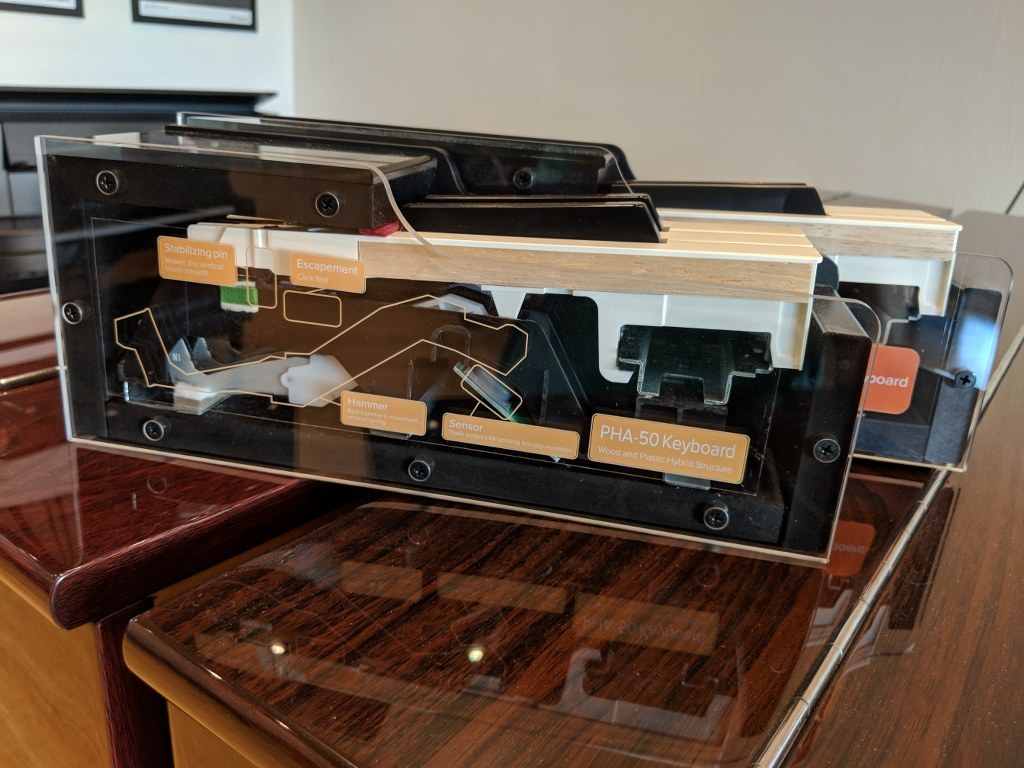
The PHA-50 hybrid key action in the LX5 has white keys that measure in length at just under 9″ long whereas the Grand Hybrid key action is just under 11 inches long for each white key. The extra 2 inches in length is significant for the white keys in the Hybrid Grand Key action for the LX6 and LX9 because the balance and movement of those keys is much better and more even from the front of the keys to the back of the keys than what you get from the PHA-50 key action in the LX5. So part of the extra cost of the LX6 and LX9 over the LX5 has to do with the more advanced key action movement in those 2 models.
I do like both key actions, but I enjoy playing the upgraded “Hybrid Grand” key action in the LX6 and LX9 over the PHA50 key action. The keys in the LX6 and LX9 move better, are more comfortable to play, and have a more even touch from the front of the keys to the backs of the keys. The keys (especially the white keys) are somewhat heavier in the LX5 model as opposed to the LX6 and LX9 models. Also, the mechanical movement of the keys are fairly quiet when the keys are moving in the “hybrid grand action,” but there will always be a bit of mechanical noise coming from the keys. But as key actions go, the mechanical noise of the keys when they are moving is definitely acceptable.
 One more thing concerning the LX9. Roland added a feature to the keys in the LX9 called “haptic key vibrations.” In a real acoustic piano, unlike a digital piano, the entire cabinet is made of wood including all keys, some key action parts, the large soundboard, etc. There are a lot of natural vibrations that occur in an acoustic piano and those natural vibrations can actually be felt in the keys when touch and playing those keys. The vibrations in the keys can be a bit subtle, but they are there, especially when playing the keys harder and generating more volume.
You can “feel” the cabinet and sound vibrations coming into the keys themselves. It’s with these key vibrations in mind that the LX9 tries to reproduce these vibrations you would feel on your fingers as you are touching and playing the keys in an acoustic piano. It’s a digital electronic feature in the LX9 that is only available in that model and it is called “haptic key vibrations.” It does work and the amount of haptic vibrations in the keys can be adjusted. It’s a pretty cool feature to have, but is it really necessary?
I don’t think so, unless you have played many acoustic pianos before and you just want the most authentic piano playing experience within the keys that you can get. The LX9 will do it but not the LX6, or LX5. The LX9 is obviously in a much higher price range too, so it’s up to you when it comes to what you want and how much you’ll need to pay to get it..
PIANO SOUND
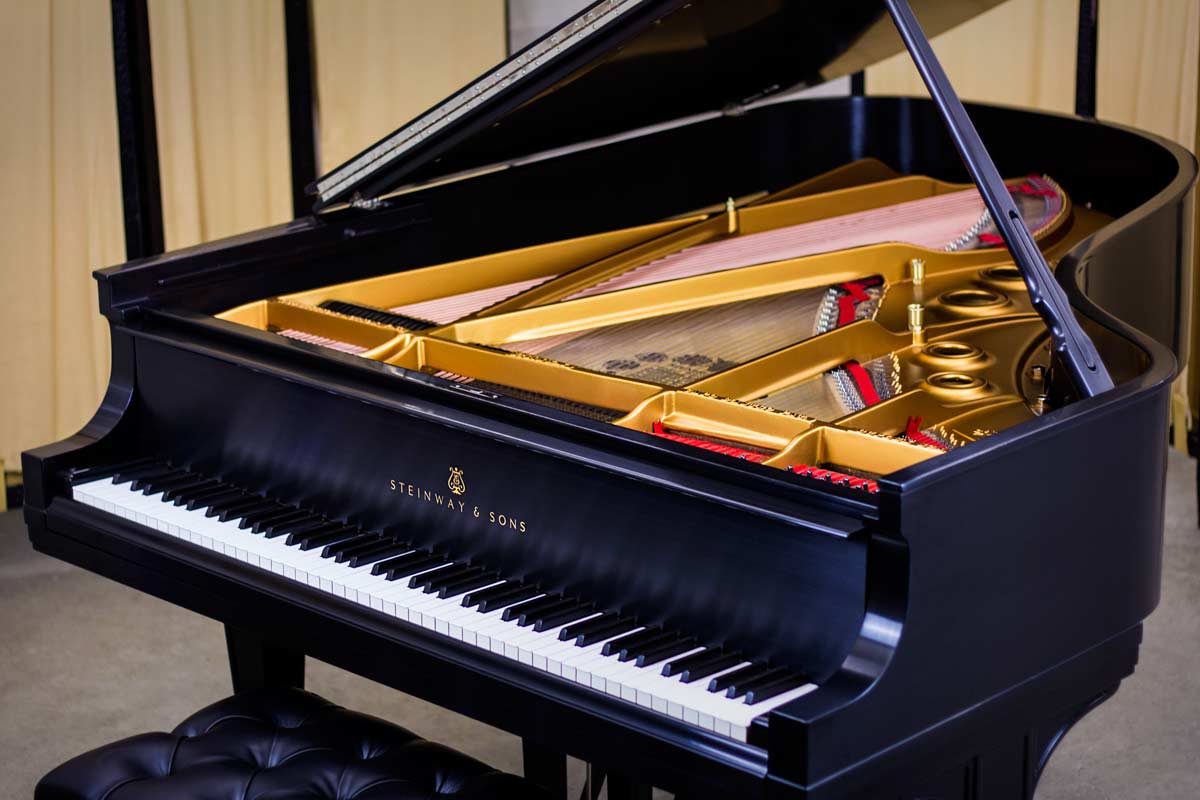
 The piano sound realism in a digital piano is very important as it is in acoustic pianos. Through the years Roland has had some pretty realistic piano sound reproductions coming out of previous models, and I have played Roland digital pianos for well over 30 years, so I am very experienced with their digital pianos. Key action is the number one component in any piano and piano sound realism is right behind key action in importance to the piano playing experience.
With that in mind, I wanted to mention something important about the previous LX700 models that Roland had out right before the new LX9, LX6, and LX5. Roland had this LX700 series which consisted of the LX708, LX706, and LX705 and they were out for at least a few years. To put it bluntly, those 3 previous models in that higher price range were some of the poorest, most artificial sounding digital pianos I had ever heard…and that’s saying a lot. In fact, the piano sound was so poor in those 3 models, I almost could not believe it. I thought there must be something wrong with me and/or my ears because I didn’t expect those Roland pianos to sound so bad. But it wasn’t me…it was those 3 piano models.
 So then I thought maybe it was the internal speaker system that made the 4 different piano sound selections on each 700 series LX models sound so bad. But then I tried using a very good set of stereo headphones to listen to me playing those sounds and bypass the internal speaker system that way, but the result was the same…a terrible piano sound experience. In fact there were digital pianos in other brands under $1000 that sounded better than that, including a couple Roland models in the HP series in a lower price range. So there was just something wrong with the LX700 in my experienced opinion and there was simply no way to adjust or edit those piano sounds to make them any better.
I mentioned all this in my prior review of the LX700 series models and that people should stay away from them until they got fixed or there were newer models. Of course the Roland company (like other digital piano companies in that type of situation) did not admit to the very poor piano sounds coming out of those models. I get it…it’s all about the money in most cases. I hope Roland fired all those so called “sound developer engineers” and their managers for allowing those models to come out in the first place. You think maybe I am being too harsh?! I am not. In the 700 series the cabinets were nice, some of the non piano features were nice, and the key actions and key response were good. But the piano sound was just plain bad to my ears.
 When I first tried out and examined this new Roland LX series including the LX9, LX6, and LX5, I was really hoping that Roland had drastically improved their piano sound realism and response in these new models. They had no where to go but up because they couldn’t go down any further. In fact, on the current Roland website they pretty much admit they had “issues” with the previous LX700 models. Here is a quote taken from their website: “Sound System Design: We were determined to address all issues we heard from LX700 customers including dynamic range and sound image localization.” Roland also said they had to have other needed improvements within this new LX series, and apparently they have done that.
So what’s the bottom line for the new LX9, LX7, and LX5 digital pianos when it comes to piano sound? On a 1-10 scale, if the number 1 was the least realistic piano sound and 10 was the most realistic piano sound from a digital piano, the previous LX models would be a “1” (in my opinion) and the new LX models would be a “8 or 9” based on my long time experience in playing digital pianos in various price ranges.
 To be a “9 or 10” it would have to be a real good acoustic piano or a digital piano without speakers that could actually emulate a real acoustic piano with a full wooden soundboard. The new LX models are so much better for piano sound realism as compared to the previous models ,it’s not even close. I actually enjoyed playing these new LX models when it comes to the piano sound authenticity, even as compared to an acoustic piano. Basically, Roland “fixed” the past piano sound issues and I am glad they did.
The last LX700 series really was probably an embarrassment to Roland and pianos in general in my opinion, but this time they really stepped up their game and have finally come out with 3 new digital pianos they can be proud of. They actually sound pretty close to real acoustic pianos now with noticeably good piano resonances, overtones, sympathetic vibrations and dynamic tonal changes that allow for some really good piano playing and enjoyment, especially when it comes to the acoustic type grand piano sound. Instead of wanting to stop playing them as I did on the previous models, I wanted to keep playing them this time. They have way more natural tonal changes and clarity, and not the synthetic artificially poor (piano) sound they had in the previous models.
Maybe Roland hired some new sound engineers and managers who paid attention to detail this time? I don’t know, but obviously something changed at Roland and it definitely was for the good. It is very enjoyable playing these 3 new LX models now and Roland has restored my faith in their company. You know what they say…“better late than never.”
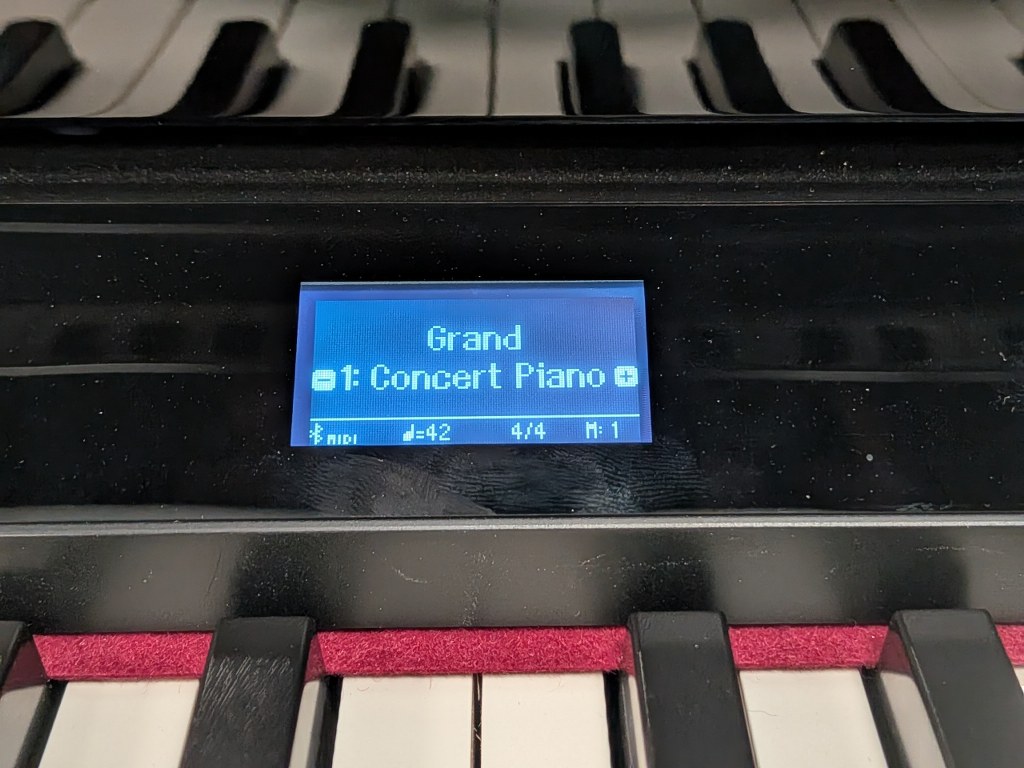
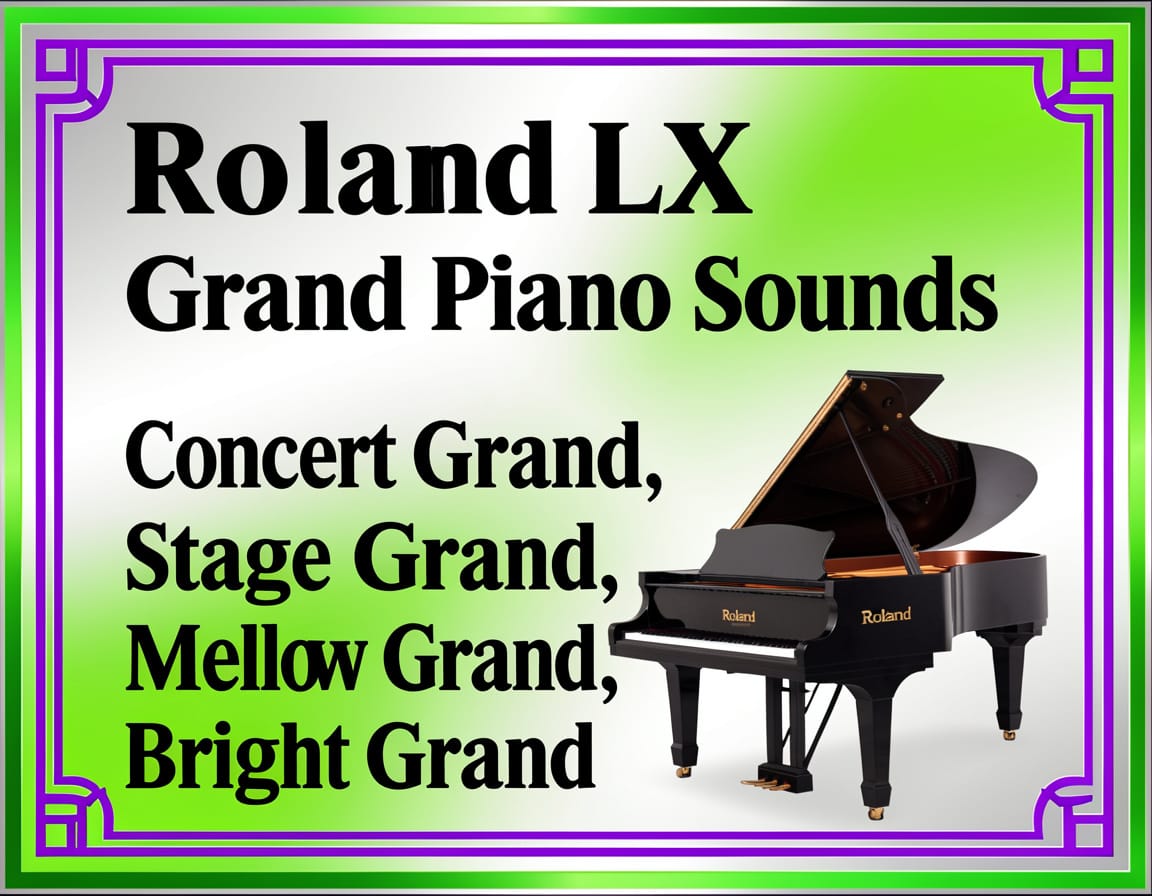 All 3 of these new LX models have the identical 4 grand piano sounds in them which include Concert Grand piano, Stage Grand piano, Mellow Grand piano, and Bright Grand piano. The only real noticeable difference in the piano sound among the 3 models is when you hear the piano sounds being played through their internal speaker systems. Just like acoustic pianos that come in different sizes, different heights, and have different types and sized of wood soundboards and strings, the internal speaker systems in digital pianos can make a big difference in the piano sound projection and fullness that you hear.
With this mind, the LX9 would sound bigger & fuller than the LX6, and the LX6 would sound bigger, fuller, and better than the LX5. But through headphones they all sound the same because the piano sound engine/sound chip in the the 3 LX models are the same.
 There are also 5 upright type piano sounds in each LX model. The piano names for all the piano sounds are fairly self explanatory, but I actually liked the “Stage Grand Piano” sound the best because it offers more clarity to the sound in my opinion. But they are all good and you may like one over the other depending on your ears and what style of music you play. It is important to note the technology that Roland uses in creating those piano sounds is called piano reality “modeling.” Roland has used this modeling technology for a number of years in their digital pianos and keyboards, but like all relatively new technology, you can have “issues” when first adapting this technology to your products. That was the case in the previous LX700 models.
“Modeling” takes the place of “sampling” actual real pianos using microphones to record the sound. Modeling tries to recreate acoustic piano sounds with mathematical algorithms in the digital pianos. Theoretically on paper this modeling technology is supposed to render a more realistic piano sound that has less issues than sampling with microphones. Recording real acoustic piano sounds in stereo is a great way to do it and those piano sounds can be very impressive.
 However, with the modeling technology it offers a more controlled and natural piano sound response with more even frequency response and natural vibrations of sound through an appropriate internal speaker system, That speaker system can be “tuned” to the modeling/rendering environment and it can theoretically work better than the sampling technology. Sometimes it works well and sometimes it doesn’t work such as in the previous Roland LX models. It can depend on the manufacturer and the model. In the new LX9, LX6, and LX5 it does work quite well and this “modeling technology” gives these new LX models their own proprietary piano sound realism that other brands do not necessary have because of different piano technology.
Ultimately our ears for each one of us will tell us what we like to hear and what we don’t like to hear. At least for me, I did like my playing experience with these 4 grand piano sounds in these new LX models and that’s what really counts. It’s not all about the type of technology that is used in creating these sounds. It’s about their realism and how natural they sound to your ears. At least I can say with confidence that you will likely enjoy playing and hearing the 4 grand piano sounds in the new LX models, which are a huge leap over the previous LX models as I already mentioned in great detail.
 One more thing. There are some really good ways to “customize” the piano sounds in the LX models to be even more pleasing to your ears, assuming you want something more than the 4 factory preset grand piano sounds. The customization can be very useful, and it happens by using and changing the Ambience settings and the Piano Designer settings, among other things. I normally do customize the grand piano sounds on the LX pianos because I play real acoustic grand pianos and I have some favorite grand piano sounds.
I personally do customize the LX pianos to be like my favorite acoustic grand pianos, and I can tell you about these “secret customized settings” on the LX models if you ask me about them.
PEDAL RESPONSE & SUSTAINED PIANO TONES
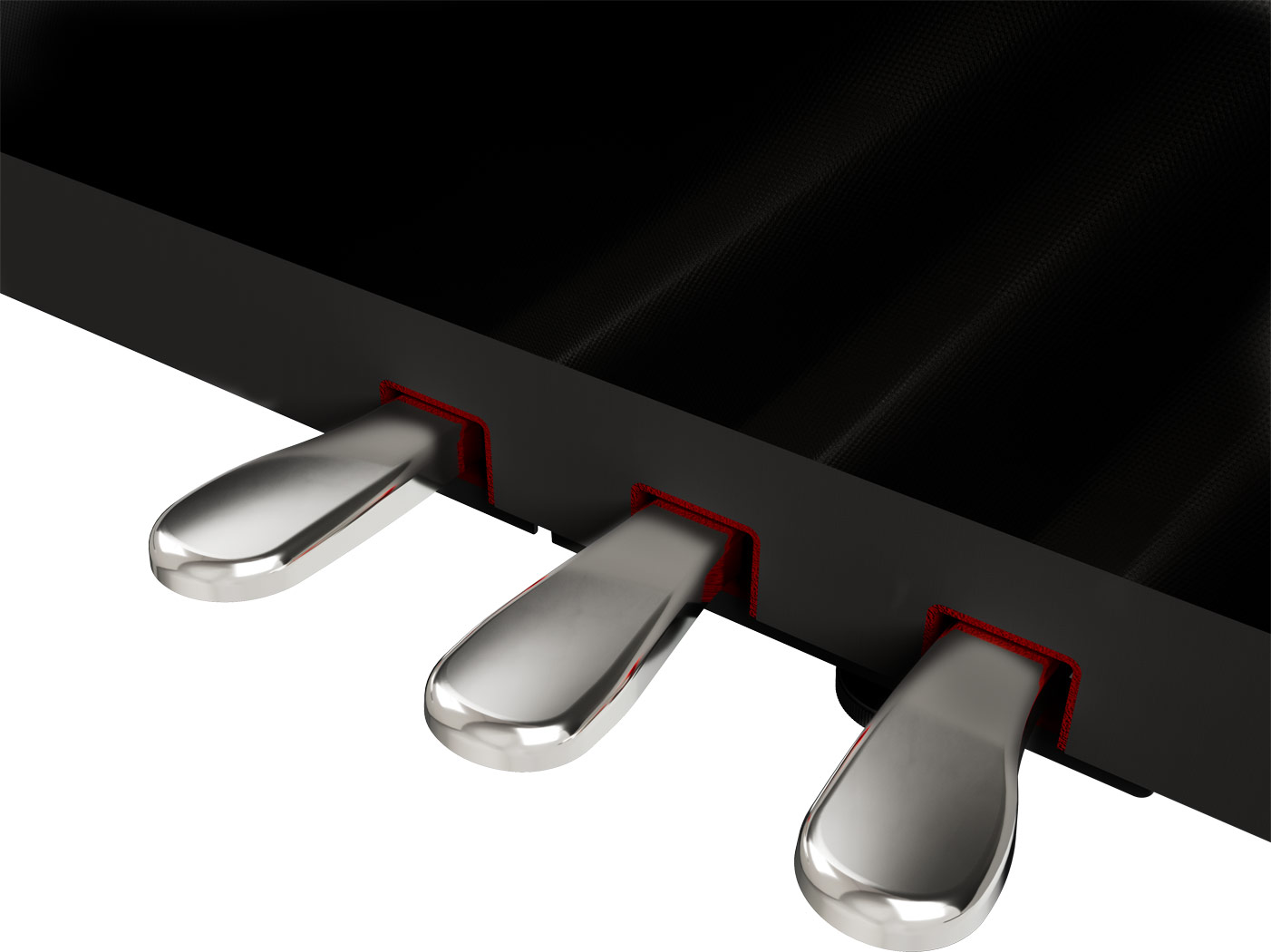
 The 3 pedals on any piano are important depending on what type of music you are playing. But most of the time it is the right side “damper-sustain” pedal that people use when playing piano. So not only does the physical pedal need to move properly and feel comfortable to press down, but the sustained piano tone from the damper-sustain pedal needs to be natural like in a real acoustic piano. Also the sustain quality and decay needs to happen over a long period of time with natural piano resonances. Some digital pianos in a few top brands do a good job of this and some don’t. The Roland piano sounds in the new LX models are noticeably lush and full and the sustain pedal technology is capable of allowing for smaller incremental changes of sustained piano tone over time. Roland calls this “continuous detection” and it works well.
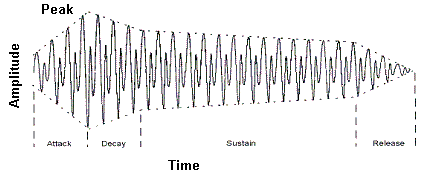
In other words, the LX pianos sound way more natural for sustained piano sounds than before. In fact, it seemed to me that amount of piano sustain coming from the piano was almost “too much” sustain volume and decay time when using the pedal. But I am not complaining because it did sound full and resonant. In previous Roland LX models and a few other Roland digital piano models, I did not like the sustained piano sounds because they sounded artificial and overly processed. But in the case of the new LX9, 6, and 5, I like them and those sustained piano tones enable my playing to be more natural and enjoyable. So that is good and the pedal sustain parameters can be edited in the “Piano Designer” feature of the 3 LX models to customize it in different ways.
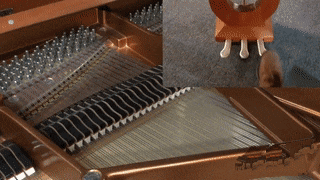 The middle sostenuto pedal and left side soft pedal seem to work nicely and can be used in the same way you would on an acoustic piano. This is good if needing to use those 2 pedals to have more control of certain parts of the music you are playing that require a soft pedal or sostenuto sustain control. Most people will never use the middle sostenuto pedal because it is a “specially” pedal for certain kinds of music and you need to use that middle pedal in a very unique way. But the left side soft pedal is good to have although it’s the right side damper-sustain pedal that you’ll likely use for 95% of your piano playing. So when it comes to the Roland LX piano pedals and piano sustain quality, I like it.
INTERNAL SPEAKER SYSTEM
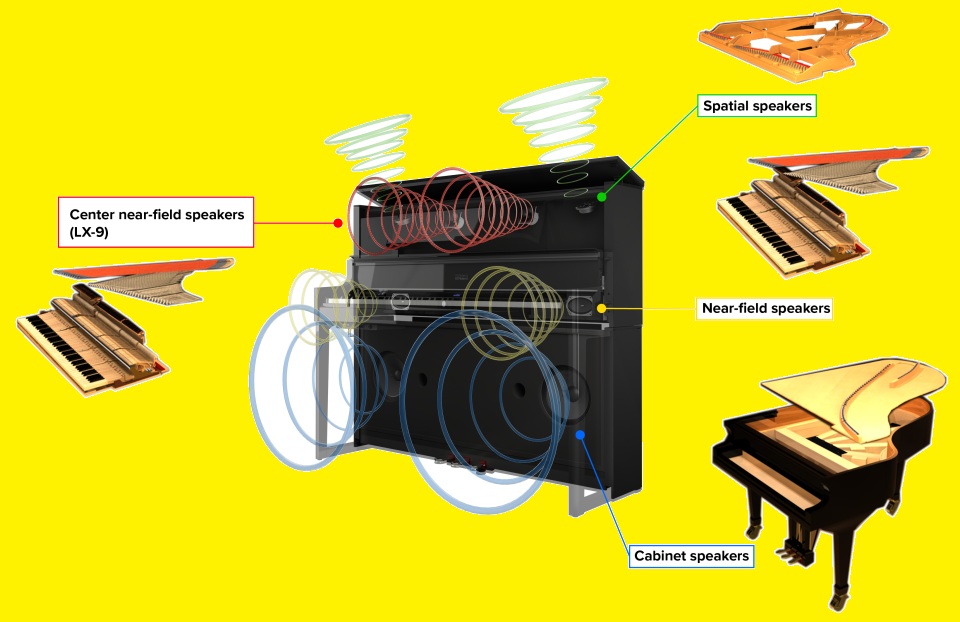
OK, I have pretty much covered the main components of any digital piano which is the key action, piano sound realism, and pedals. Since digital pianos rely primarily on internal speaker systems to amplify and project the sound, then the next most important part of any digital piano is the internal speaker system. These systems include speakers, amplifiers, along with quantity and placement of these parts in the piano. In the 3 Roland LX models the internal speaker systems play a critical role in the quality of the piano sound that you hear.
The LX9 would, at its higher price, has the best and most powerful internal speaker system of the 3 models with the LX6 next in line and then the LX5. The LX9 has 8 total speakers of different sizes, 8 amplifiers with different power outputs, and a total of 162 watts of power. The LX9 has, by far, the best internal speaker system of the three LX models. But that does not necessarily mean you need all that internal power and all those speakers for the space in your home or building where the piano will go.
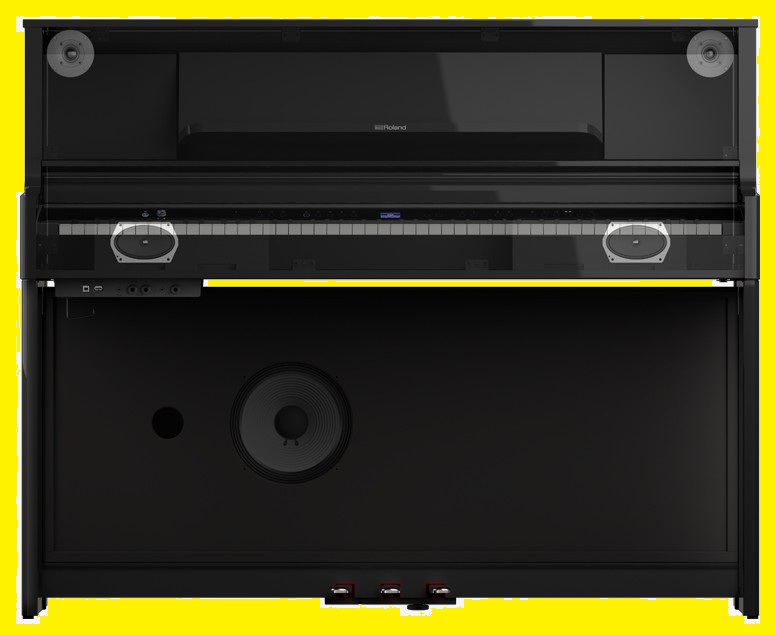
The LX6 has 5 speakers of different sizes, 5 amplifiers with different power outputs, and a total of 116 watts of power. This speaker system is really quite good and has plenty of power for just about any home or small venue. Since the LX6 has the same key action, same piano sounds, and nearly the same digital functions as the LX9, then this model should have enough power and sound coming through its speaker system for a majority of people.
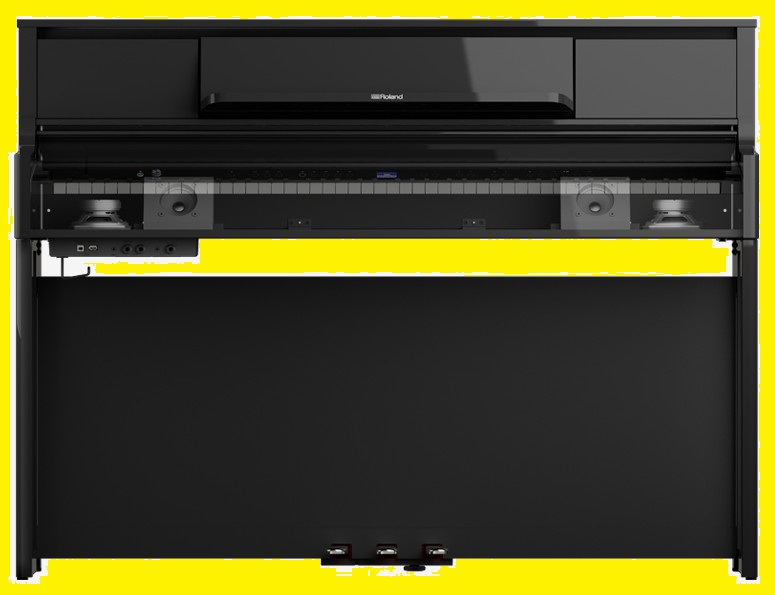
The LX5 has 4 separate speakers although 2 of them are “coaxial” type with a combined 5″ & 1″ speaker together into one total speaker. But we would still refer to the LX5 having 4 independent speakers. The LX5 has 4 amplifiers putting out a total power of 90 watts of power. 90 watts total is actually quite a bit of power and enough for most homes. But as they say…more is better and the LX6 model would produce a fuller and richer sound than the LX5, plus it would put out a better bass response..
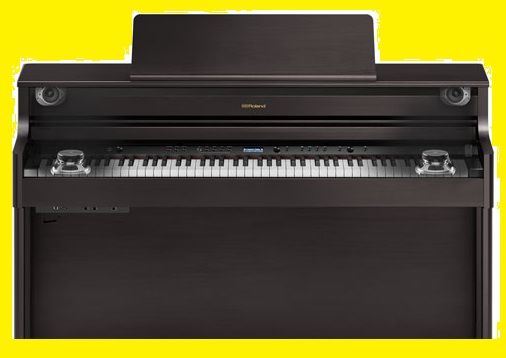
Just for comparison sake, the current but older model HP704 which is under the LX5, has the same 2 “coaxial speakers” as in the LX5 plus 2 additional speakers which makes 4 independent speakers. The HP704 has 4 amplifiers which offer a total of 60 watts of power. The power and speakers in the HP704 is still sufficient for most people and in most homes. But that speaker system is not near as full and does have near the clarity or bass response as the LX6 or LX9. Generally speaking, as you pay more money for an upgraded model, you normally get a better and more accurate internal speaker system.

If you use a good pair of stereo headphones such as Roland or Sony headphones in each LX model, then they all sound the same because you are bypassing the speaker system and not using the internal speakers if you are wearing headphones for private practice. If the headphones are of good quality, your LX digital piano, depending on which model it is, may sound even better through headphones as compared to the internal speaker system. I did try out my pro quality stereo headphones on all 3 LX piano models and the piano sound was amazing through my headphones. It really did sound great.
INTERNAL INSTRUMENT SOUND LIBRARY

Every digital piano has a variety of instrument sounds in it, with some brands and models having more than others. However, a lot of digital piano owners just want to mainly play piano, so all they care about are the acoustic type piano sounds including grand pianos and upright pianos. I have already discussed the acoustic piano sounds previously here in this review which I think are very good and much better than they have been in past LX models. So I do especially enjoy playing and listening to the grand piano sounds in these new LX models. The upright style acoustic piano sounds are also quite good, although I prefer grand pianos over uprights.
But what are the instrument sounds available in the LX models beyond the acoustic piano sounds? Well, there are 312 non piano instrument sounds in the LX models which include vintage electric piano sounds, organs of all types, individual and orchestral string sounds, choir sounds, jazz scat voices horns, reed instruments, bells, chimes, guitars, percussion, synths, special effects, and just about very kind of instrument sound you can think of. Do the LX models really have every instrument sound out there? No they don’t. But 312 non-piano instrument sounds is a big amount and should keep you happy for a long time.
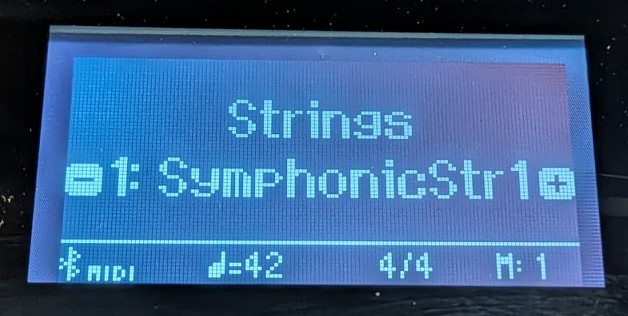
Nevertheless, it is the quality and realism of these sounds and not the quantity of the instrument sounds which are most important. With that in mind, and at least for most of the instrument sounds, Roland has done a great job in reproducing those sounds with high quality realism. So not only do the acoustic piano sounds offer high quality realism, but so do most of the non-piano sounds. You can play those sounds individually or mix one of them with other instrument sounds such as having a piano & strings together, or harpsichord & choir, or many other combinations of sounds. You can also “split 2 sounds with one being on the left hand and one for the right hand and play them that way.
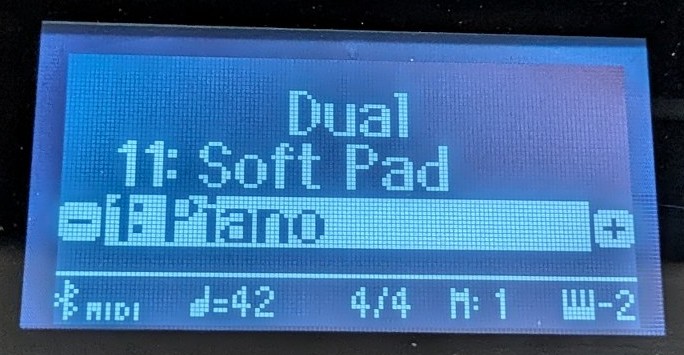
Layering/mixing or splitting sounds on digital pianos is a fairly common feature so that part is nice but not unusual. But it’s the ability to have quality sounds that you can use to play your music in layers or splits. It’s all about the realism and quality as I already mentioned, and not about quantity. The only negative thing I noticed about the sound library in the Roland LX models is the fact that if you are using any of the grand piano sounds, if you switch between one grand piano sound and go to another one while you are playing your music. the frist grand piano sound instantly stops playing and cuts off. You them have to start playing again for the next piano sound to be heard.
 Some digital piano brands have a feature called “smooth sound transition” which means the piano sounds do not instantly and abruptly cut off when switching sounds while playing. I like that much better, but with the Roland Physical Modeling technology they use to create their piano sounds, that technology cannot do “smooth piano sound transitions” for the piano sounds like other digital piano technology can do in other brands & models. So as long as you are not changing or switching “piano sounds” from one to another and you are using non-piano sounds while you are playing on the LX pianos, then everything is good and there are no issues. It just depends on how you use those piano sounds when playing your music. But apart from that inconvenience, the instrument sound library works very well, sounds good, and there seem to be plenty of instruments to choose from for most people.
POLYPHONY MEMORY

The “polyphony” specification has to do with how many notes on a digital piano can be played simultaneously and be still heard without any glitches and notes dropping out. On a regular acoustic piano there are 88 notes and all those keys can theoretically be pressed down and played all at the same time and you will hear every note on every piano string coming out all at once. It won’t sound good, but all notes can be played simultaneously. A digital piano doesn’t have strings and has piano sound technology which produces piano notes.
 To hear these piano notes on a digital piano, you need enough piano note memory (polyphony) to generate the notes you are playing when using the piano sounds. The more “polyphony memory” you have in a digital piano, the more notes that can be played and heard at one time, especially if you are mixing and layering more than one instrument sound at a time. If you are a beginner student or you don’t play well, then you won’t need as much “polyphony” in the digital piano as a more advanced player might need.
In the old days many years ago, piano “polyphony memory” was very limited and that’s just the way technology was at the time. But now we have much better digital piano technology and different ways to produce piano sounds in digital pianos. So at this point, especially in Roland digital pianos, there is way more than enough “polyphony memory” to support any piano playing ability without glitches or note drop-out. Many of the digital piano brands these days have 256-note polyphony memory which is really plenty of polyphony to play almost any piano piece of music.
 The Roland LX series digital pianos have “unlimited polyphony memory” because of the “physical modeling” technology they use to produce their acoustic piano sounds in the LX models. You can’t get better than “unlimited” for the piano sounds, so therefore Roland has more than enough to play any piano song or piece of music. This unlimited polyphony specification is for only the piano sounds only. For the non-piano instruments like strings, brass, guitars, organs, etc, the polyphony rating is 256-note polyphony which is still more than enough for any of those instrument sounds. Again, 256 note polyphony is enough, but Roland goes much further for their piano sounds.
 More and better polyphony memory can also help the “quality” and realism of the piano sounds, as long as the technology that a company is using is done “right.” In the previous model LX700 series, those LX models did have “unlimited piano polyphony,” but those piano sounds were very poor as I already mentioned in great detail. So in that case the polyphony didn’t matter. Roland simply did a very poor job producing the piano sounds on the previous LX700 series models.
But in these new LX9, LX6, and LX5 models, Roland has done an excellent job in “cleaning up their act” and producing convincing grand piano sounds that just about anyone can enjoy. As long as a digital piano has at least 192 note polyphony up through 256 note polyphony, then that’s usually enough and you likely won’t outplay it. There are even some digital pianos out there with 120 or 128 note polyphony and they sound good as well, and there is enough polyphony memory to play just about any piano song. Just know that Roland has an excellent amount of polyphony memory in the LX models to support anyone’s playing ability.
IMPORTANT DIGITAL FEATURES

 Roland has a number of very cool digital features which can be very useful deepening on how you play piano and what you want to do with your music. As an example, you may want to adjust the sensitivity of the keys so that the piano sound comes in more quickly with a light finger touch on the keys or the piano sound volume reacts less quickly on a light finger touch so that you need press the keys harder with your fingers to make the sound louder.
You can make many adjustments to the “sensitivity” of the keys to your touch. If you want to touch the keys lightly but have the piano sound come out more strongly and louder, then you select a lighter touch sensitivity for that function. If you want of need the reverse effect so that you are wanting to press harder on the keys but have the piano volume comes out a bit softer and a bit more quiet, then you set the touch sensitivity to a harder touch.
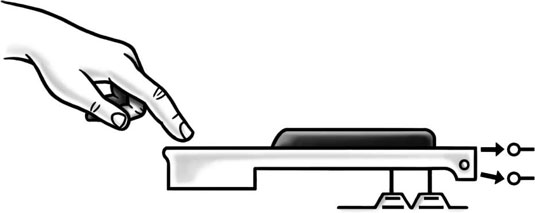 Most digital piano have a touch sensitivity control with 3-5 levels from light to heavy. Some digital pianos have 9 touch levels plus you can set up your own custom level that the piano will figure out for you based on how you normally play…so that’s pretty cool. Roland has 100 incremental touch sensitivity levels which you can personally adjust to whatever level you want. Roland has by far the most touch sensitivity levels of any digital piano brand. Whether a person needs near that many levels is debatable, but at least they are there and very easy to use that feature.
 The Roland LX models each have 80 drum rhythm patterns so that you can select a “drummer” to play a drum track and then you can play along with the drummer using a variety of drum rhythm style such as rock, jazz, big band, country waltz, Latin, and so on. It’s fun to do and does help with timing and rhythm. Not all digital pianos in this price range have built-in drum rhythms, but some brands definitely have them. Beyond that feature is a digital metronome for more traditional timing help for beginners or even advanced players who need a metronome “click-track” just to keep the timing going more accurately.
Roland has a useful feature called “registration memories.” This feature allows you to save up to 36 custom “setups” which means that when you have selected a variety of feature on the LX piano including different sounds, effects, layers, splits, etc, the registration memory will memorize and save that custom setup so that you can later recall that setting without having to start for scratch and do it all over again.
 So if you have some favorite setups that you like to use, the LX pianos can store them into memory for later recall. These memories are called “registrations” and you get 36 of them which is more than enough for most people. Some brands and models of digital pianos have this type of feature and some don’t. I like the registration memories and I personally use and take advantage of that kind of thing, and I am glad the LX series has this feature.
 As with nearly all digital pianos, on the LX pianos you can mix 2 instrument sounds together as a layer/combination, along with being able to assign one sound to the left hand and another instrument sound to the right hand which is known as a “split keyboard,” as I have previously mentioned.
The LX models all have “key transpose” so that you can digitally change the key of the song your playing and digitally modulate to a new key depending on what you need. This really helps players who cannot manually transpose a song but need it to come out in another key for vocal reasons or simply to modulate in half-steps when playing any given song or piece of music.
There are many other features and functions in the LX models which can be very useful to certain people depending on what you need to do with your music, but I don’t think I need to list all those additional extra functions and features here. But just know, in my opinion, that Roland has covered all the bases with the functions and features that most people would want and use to help them have more musical enjoyment playing their music, no matter what playing skill level you may be at.
AMBIENCE EFFECTS

 What is the definition of “ambience?” A dictionary definition is “the character and atmosphere of a place.” Simply put, it’s what your ears hear in a given place of room when sound is being heard. Maybe you are hearing some echo, reverberation, noise, high or lower frequencies such as more or less bass or treble, or any number of added sound “effects” or even visual effects. When it comes to piano sound and hear it in various rooms or venues, the geometry of design of that room can have a huge impact on the sound, whether it be music or voice.
In the LX pianos Roland has designed a number of “sound effects” to be applied to the piano sounds when you want them. Without that “ambience,” as Roland calls it, the piano sound would be somewhat dry or plain. In regular acoustic pianos the piano sound vibrates and resonates through the wooden body of the piano and that sound bounces around inside that wooden cabinet which also includes a cast iron harp where the strings are attached.
 All of those physical elements in a real acoustic piano produce ambience effects such as some reverb and/or echo. Also, depending on the type of room the piano is in with low ceiling, or high ceiling, or a bigger or smaller size room, or a room with carpet or hardwood floors, all of those things have a direct impact on the piano sound when being played in a variety of rooms.
So Roland has this “digital ambience feature which adds different effects to the piano sound in the LX pianos. There is a separate button on the LX control panel to access that ambience feature and then you just choose the “type of ambience” effect you want. The LX9 has 6 distinct ambience settings and the LX6 and LX5 have 4 each.
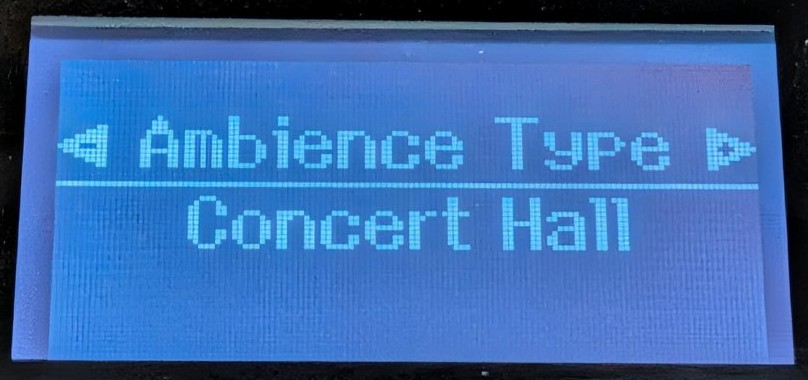 Also, each of those ambience selections have 11 steps to add more or less of that effect so that you have more control over what you get. These ambience effects are quite useful in adding more realism to the preset piano sounds and I suggest that anyone who owns one of these LX models definitely should take advantage of the ambience feature and use it to make your piano playing have a more realistic sound. The preset acoustic grand piano sounds are very good in the LX models, but adding ambience effects to them can really help in having an overall more realistic piano playing experience.
LX USER CONTROL PANEL
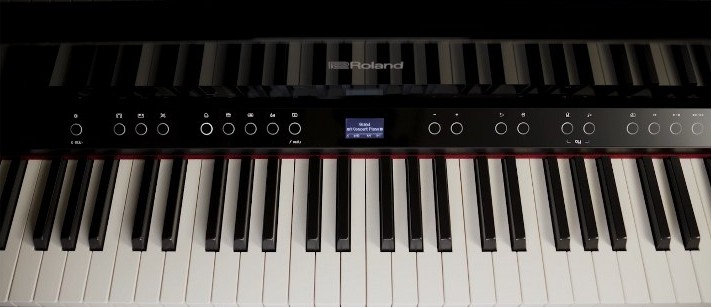
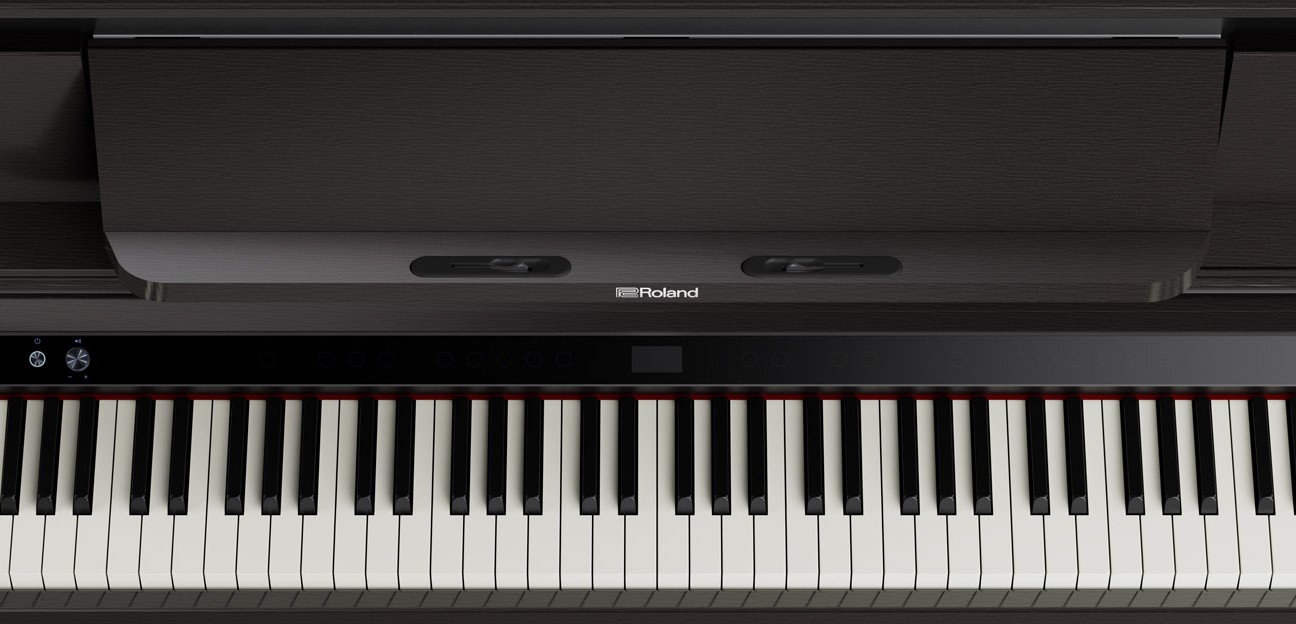
 A control panel very is important so that you can access the many features in the LX digital pianos. Many digital pianos also have “display screens” on the control panel although some digital pianos do not have a display screen. The Roland LX digital pianos have a number of embedded touch sensor buttons along with a display screen to visually see the features and functions you have selected. There is a long row of touch sensor buttons on the LX models with a small icon character/picture above each button. When the power is off then the buttons disappear. But it’s these “touch buttons” where the LX pianos are lacking in being able to intuitively and quickly and logically select the category feature and function that you want to have.
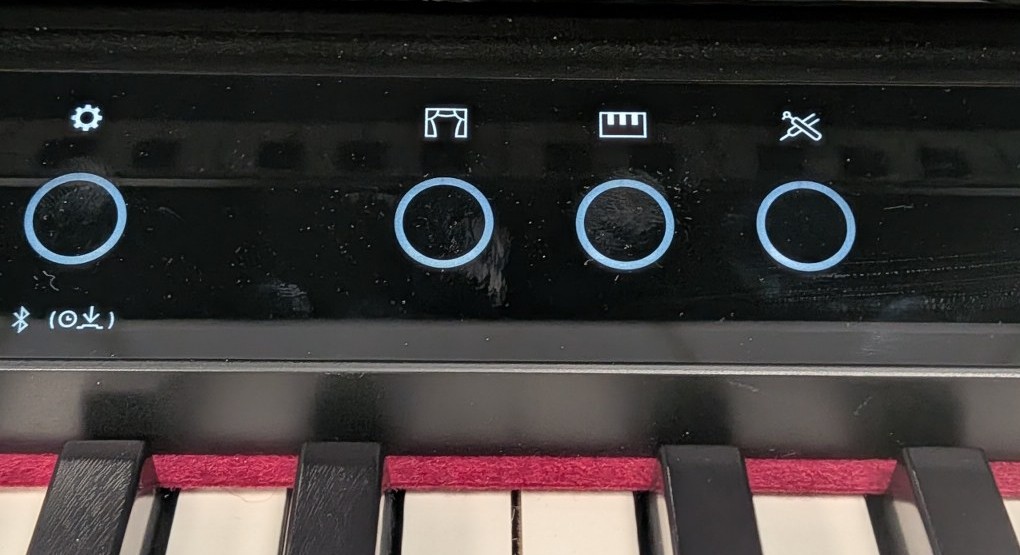
There are no actual button names above or below each touch virtual button. The category buttons light up, which is good and they look nice, but instead of having actual names of those user categories, there are just these “cryptic” looking icons/characters on most, but not all of the touch buttons. To understand this proprietary user interface control panel, you really need to study the owners manual to decipher what those buttons actually do and what the icons actually mean. I understand that Roland likely wanted to be “hip & cool” when it comes to defining these “buttons” and what they are for. But…PLEASE make it so it they don’t confuse me and other people when I am trying to find the button I need to access changing instrument sounds, or access the ambience feature settings, or do other things on the LX models.

Each LX has these same touch buttons with the same user interface icons above each button, so they all work the same in that way. Also, you need to be a lot more accurate when touching any of those “buttons” to get them to work and respond because you are not pressing a physical button that goes up and down. The buttons and/or interface may look cool when they are on and lit up, or when the piano is off and the buttons disappear from view. They do look good, but looks without good intuitive function can eventually become a big pain and can be just confusing and distracting.
So when it comes to the user interface control panel on these LX models, I think Roland could have made it much better in terms of using it, having the process be way more intuitive for the user, and not having to be so accurate when trying to correctly touch these embedded touch sensor buttons and get them to respond quickly and properly. Perhaps I am being somewhat too critical of the LX user interface, but I think Roland could have done better in that way. You can certainly still access all the features with the buttons and then see them on the display screen. But it just is not very intuitive and it takes more of a targeted touch on those touch buttons and an understanding of what they do.
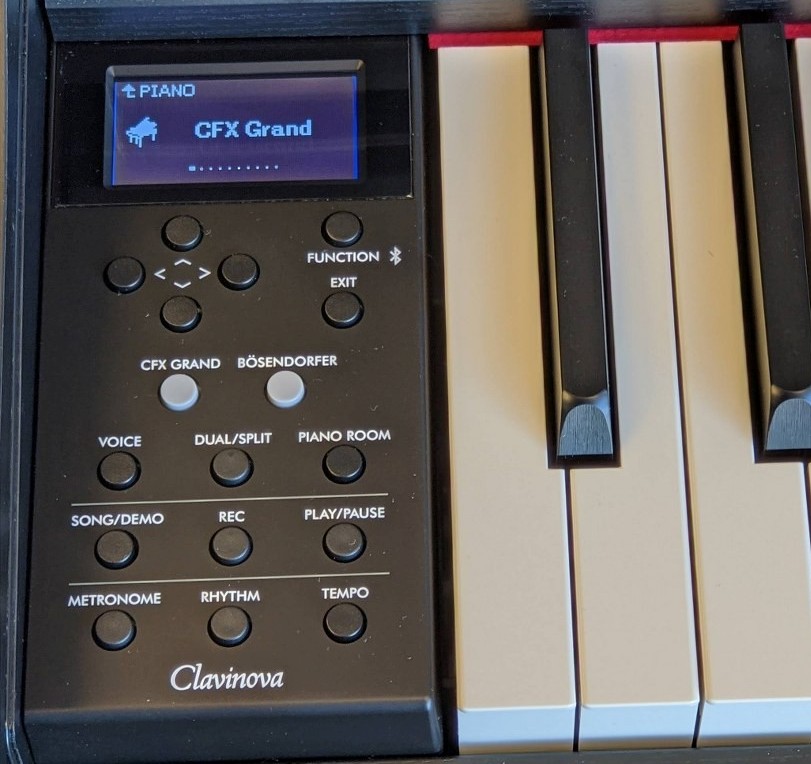
Other digital pianos companies like Yamaha and Kawai have user display side panels with buttons and/or actual larger touch screens that work more effectively and are much more intuitive in my opinion. I like where the buttons are located on the LX models in front of you. But it’s just the way they work and trying to figure them out and remembering what the different buttons do because they don’t have any actual button names.
User interfaces can look good, seem to be visually “cool,” and you would think that these digital piano companies would actually have people try them out “in the field” before they mass produce them. In previous Roland models like the HP704 and models prior to that, the user interfaces were definitely more intuitive. But sometimes these digital piano companies get carried away with new technology without thinking much about how the average person will be using these pianos.
Anyway, you can be the judge of that if you are considering a new Roland LX model.
SONG RECORDING & PLAYBACK

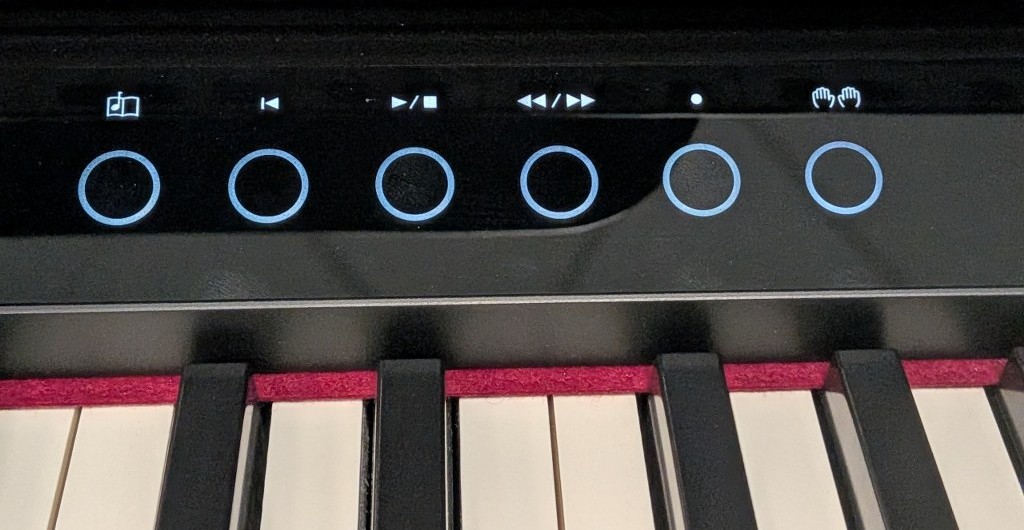
Like almost all digital pianos, the LX series can record your playing, save it, and then play it back so you can hear your music and learn it better using that feature. Songs recorded songs can be saved to a USB thumb-drive and stores on a thumb-drive for quick and easy access and a good way to store your music. The LX models have 3-part MIDI for recording 3 separate parts of your song and playing then back simultaneously, I-track audio wav file recording & playback, and 1-track MP3 audio file playback only. The recording-playback feature is fairly easy to use, works good, and the recorded music sounds great to hear when playing back.

On the LX models you can record and save your music to the internal memory of the piano or on to an external USB thumb-drive connected to the USB input of the piano. You can also record up to 3 separate parts parts of a song including left hand, right hand, and accompaniment part. You can use different instrument sounds for each part to make your music even more interesting. You can also “overdub” pre-existing songs in the piano and play over the top of that song and then save it, or overdub your own music that you have recorded.
The LX pianos do a number of other things when it comes to recording and playing back your music or other music. So there is plenty you’ll be able to do if you like to record and/playback songs. The only real limitation of the recording feature in the LX digital piano is being able to record “MP3 audio files.” The piano can play that type of audio file back if you load in a MP3 song into a thumb-drive and play it from there. But it cannot record in that way. It can record an audio wav file.
PIANO DESIGNER – SOUND EDITING AND DESIGN

 As I already mentioned, there is a lot to like about the new grand piano sounds in the LX models. But as with all sound, human beings all hear sound differently because we all have different sets of ears, and we don’t all hear things in the same way. Some of us like brighter, sharper sounds, some like more mellow and softer tones, etc. Sound is very personal and what one person likes , another person may not like as much. So to “even the playing field” Roland has a special feature in their digital pianos called “Piano Designer. Using the “Piano Designer” feature is an excellent way to customize the built-in-in piano sounds to your personal tastes.
 There is a huge variety of piano sound elements or parameters which you can digitally alter to change the factory piano sounds from their original sound to a modified sound that you might prefer better. This “micro-editing” process is easy to use and do and it does not permanently alter the original built-in piano sounds. Piano Designer is simply a feature you can use to easily change the piano sounds in ways that may be even more pleasing to you ears. As I said, this feature is built into the LX pianos and can be accessed through touching a category button and then look for the specific elements/parameters in the display screen that you want to change.
A better way to access this feature and the various parameters that are offered is through the proprietary “Roland app” that you can get for an iOS or Android external device and then use that device to more intuitively use the Piano Designer features on that app which will then change the piano sounds within the LX pianos. I have done this many times and it does work well. Below you will see a chart of all the Piano Designer settings and what is available to alter the piano sound parameters. The altered settings can be saved and retrieved and the default LX piano sounds can be retrieved and easily used again, just depending on what you want.
 The Piano Designer feature is so powerful that you can also alter individual note volume, tuning, and tonal character on each of the 88 keys. So we’re not talking just “global changes” but we are also talking about changes to individual notes, which is pretty amazing.
You should be aware that a few of the the Piano Designer settings do make a huge difference in the 4 preset piano sounds in the LX pianos. In fact, when using certain parameters from the piano designer, the changes in the factory piano sounds are so significant it’s almost like you have additional new piano sounds in these LX models. But you need to know the specific settings to use in order to hear a positive significant change to the piano sounds.There are at least 50 different settings in the Roland LX pianos that you can modify to significantly change the pianos sounds and then you can store those new custom sounds into memory so you can easily retrieve them later. Want to know more about that…then ask me.

INTERNAL PIANO LESSON & LISTENING SONGS

The Roland LX pianos have a huge number of built-in songs for listening pleasure along with educational piano lessons which also align with certain popular piano lesson books. The internal song library in the LX pianos has a total of 394 songs divided up into 27 listening songs, 30 ensemble songs, 20 entertainment songs, 30 Do Re Mi Lesson songs, and 287 lesson songs which include scales, Hanon, Beyer, Burgmuller, and Czerny. So there plenty of songs in the LX models and each LX model has the same songs. You can also access various additional songs from the internet and load and save them into a USB thumb-drive and then put that thumb-drive into a LX piano and play the songs from the thumb-drive. Then you can also play along with those songs and learn them that way.
ROLAND PIANO APP

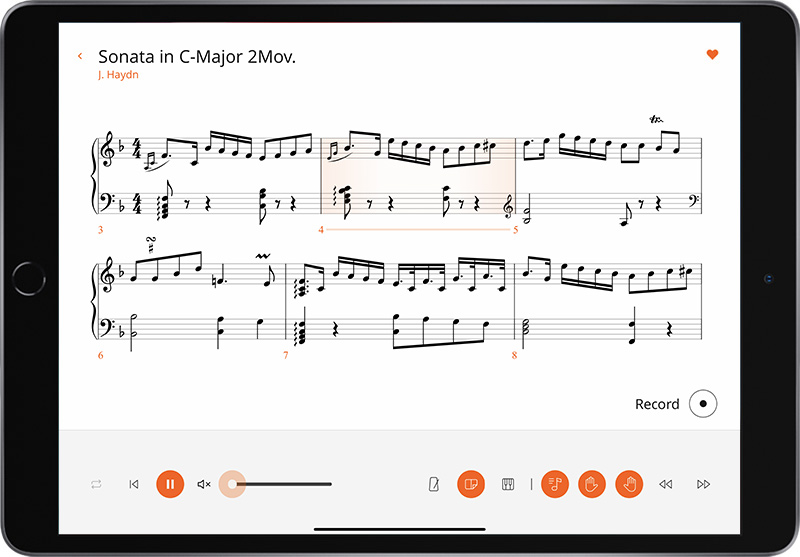
Like a lot of top digital piano brands these days, Roland has a proprietary controller app simply called “Roland Piano App.” This app allows you to control the LX pianos from the touch screen of your external device such as an iOS or Android device (a digital tablet is best) and then you can bypass the built-in control panel of the piano and instead use the Roland app to control features and functions of the piano. This Roland app tend to be more intuitive to use than the piano control panel and you can quickly and more easily use the many features of the piano that way.

Besides being able to display digital sheet music and various musical scores, this Roland app also has some very cool additional features that you can access through the app that otherwise are not available directly on the LX pianos. For instance, there are some fun and useful educational piano lessons that are good for piano students that are not in the piano itself. Those additional app lessons are interactive and help in learning to play music. Also, the app offers interactive “one-man-band” accompaniments styles so that you can play simple chords on the piano and the app accompaniments will react to the chords you play and will put in a variety of background tracks that you can select from. Then you can play music and it sounds like a band backing you up and playing along with your music. The piano itself does not have that feature.
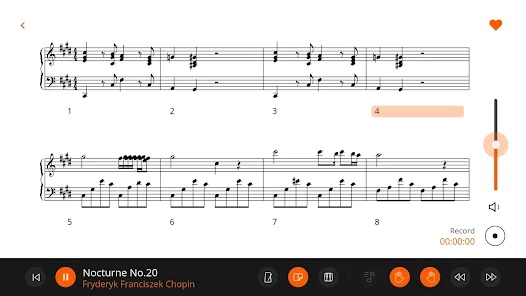
As I already mentioned, the Roland app even shows actual sheet music notation for a variety of songs and musical pieces to make playing even more intuitive and interactive. So the Roland App is a very good thing to use and enjoy and you simply download it to your device from the app store and that’s all there is to it. It’s easy to do and does help in creating a better user experience in controlling the piano features and functions on the piano as well as offering additional new ones. As I already mentioned, other top brands also have some very nice controller apps but so does Roland and they do a very good job with it. This feature is not something that you should not overlook.
CONNECTIVITY

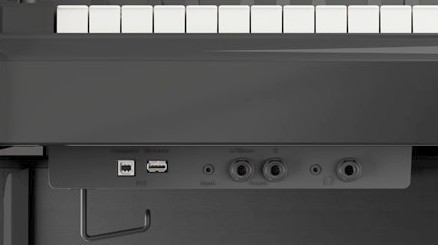 As far as hardware connectivity is concerned, each LX model has 2 headphone jacks, a USB output to host, a USB to thumb-drive input, Input jacks which include stereo miniature phone type, Output jacks which include L/Mono & R 1/4-inch phone type, and USB audio interface using a normal a to B USB cable. The LX series definitely has good hardware connectivity for just about any situation. The hardware is mostly located just under the keyboard on the left side. The overall position of that hardware is convenient, but you’ll need to bend down and look under the keyboard to see where those different plug-in ports are actually located.
The LX models also have “USB audio streaming capability” which is a very cool feature to have because then you can stream music or other audio from an external device into the LX piano speaker system without any latency signal delay.
 Then there is the Bluetooth wireless connectivity which includes Bluetooth audio wireless for audio streaming from an external device like an iPad, Android device, etc. The LX models. There is also MIDI Bluetooth wireless connectivity so that you can connect your external device to a LX piano without the need for an actual cable. Connectivity is fairly easy to do and you just need to access the Bluetooth function in the control panel display screen to select that feature. These Bluetooth features are a very good thing to have and can be very useful. Many of the top name brands and models have the Bluetooth wireless features now, but there are still a few that do not have it yet. So it’s good that Roland has incorporated these things in the LX digital pianos.
CABINET DESIGN AND MEASUREMENTS

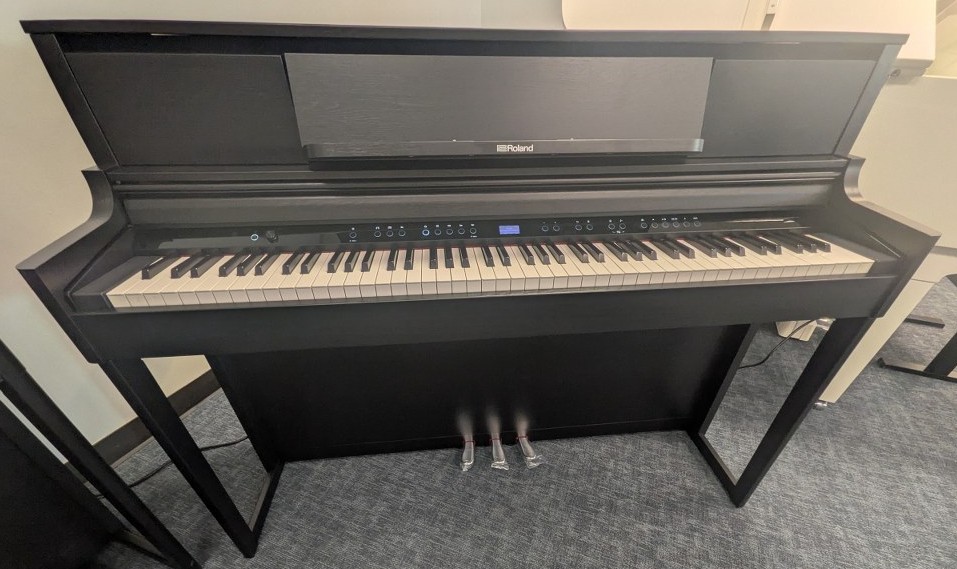
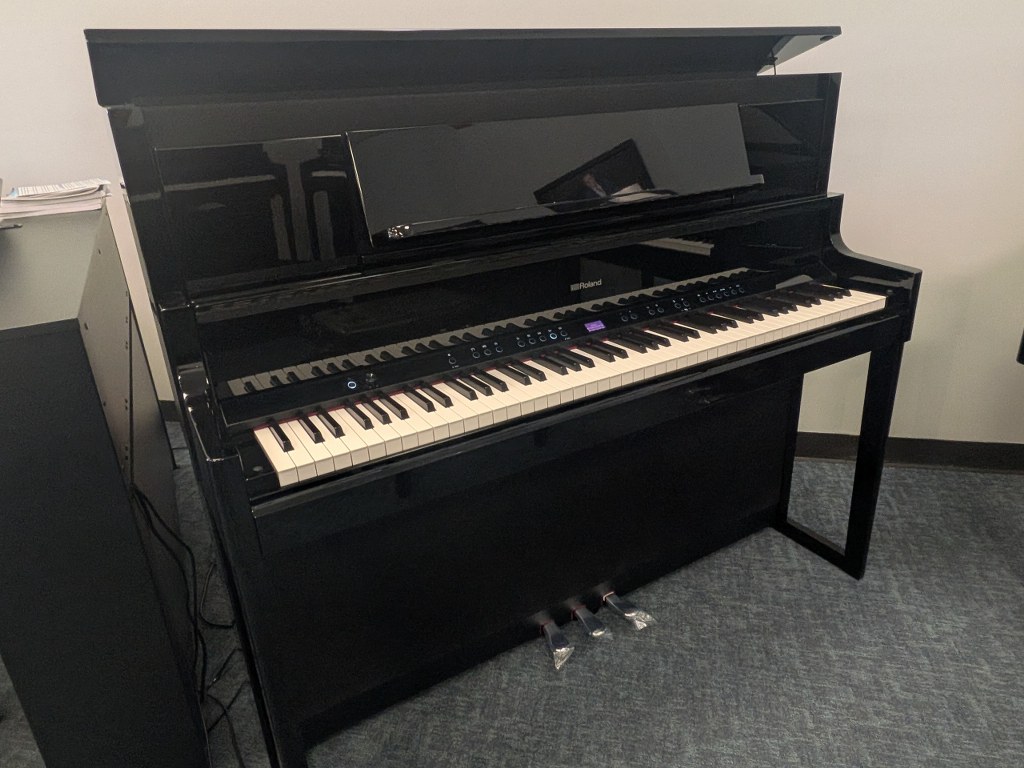
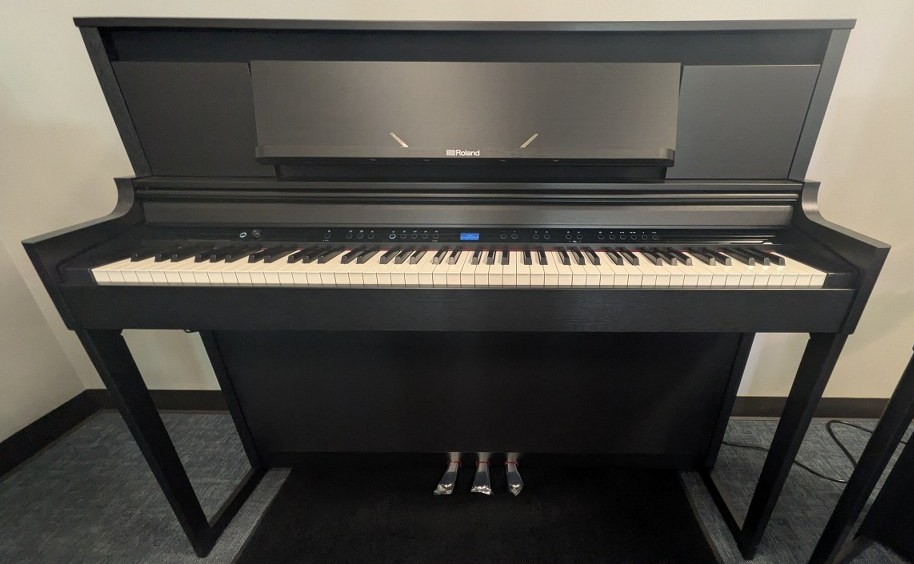
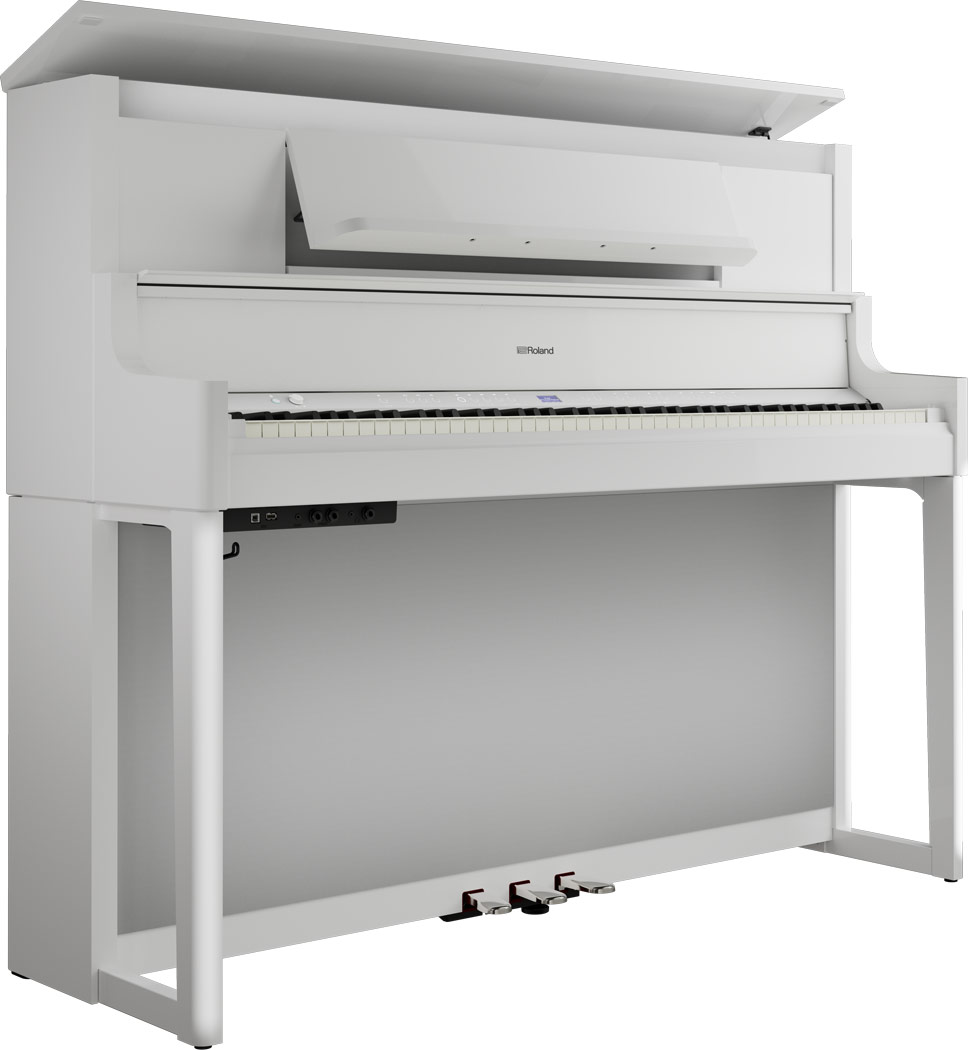
The physical cabinets of the LX models are very attractive in my opinion and are offered in a few different cabinet colors and finishes. Depending whether you are considering the LX5, LX6, or LX9, the cabinet colors are different depending on the model. So if you like a certain cabinet color in one model, that does not mean the same color is available in one of the other LX models. I don’t know why Roland excluded certain colors in certain LX models, but they did. So you’ll need to pay attention to that. I have the available cabinet colors and finishes listed in the comparison chart above.
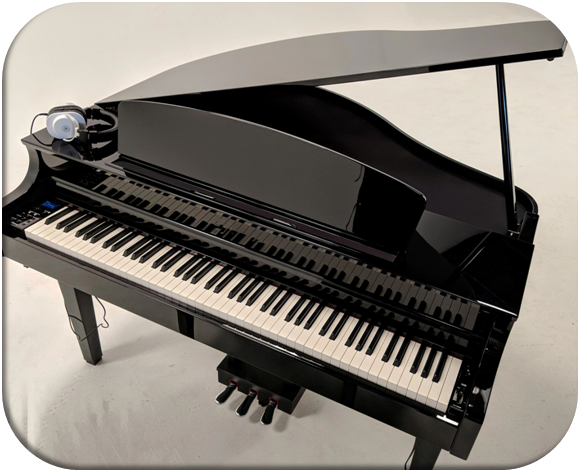
The LX9 has a few unique things with regard to its cabinet design and functionality that the LX6 and LX5 do not have, and these things are important to know about. On the LX9 the top lid can be propped up a bit. The top lid on the LX6 and LX5 are permanently shut flat. But the top lid on the LX9 can be lifted up and put in that position to allow more sound to come out of the piano. However, if you have things such as music lamp, framed photos, or even sheet music or books sitting on the top of the LX9, then raising that top lid would not be practical as everything could fall off.
Another cabinet feature of the LX9 is that the keyboard cover fold down over the keys rather than slides out. The fold-down cover has a unique “braking system” and comes down very slowly over the keys and closes up. But in my opinion that key cover comes down much too slowly and feels like it takes forever to close all the way. Maybe the cover can be adjusted to close up a bit faster, but maybe not. Closing slowly is a safety feature but I prefer the slide out key cover.
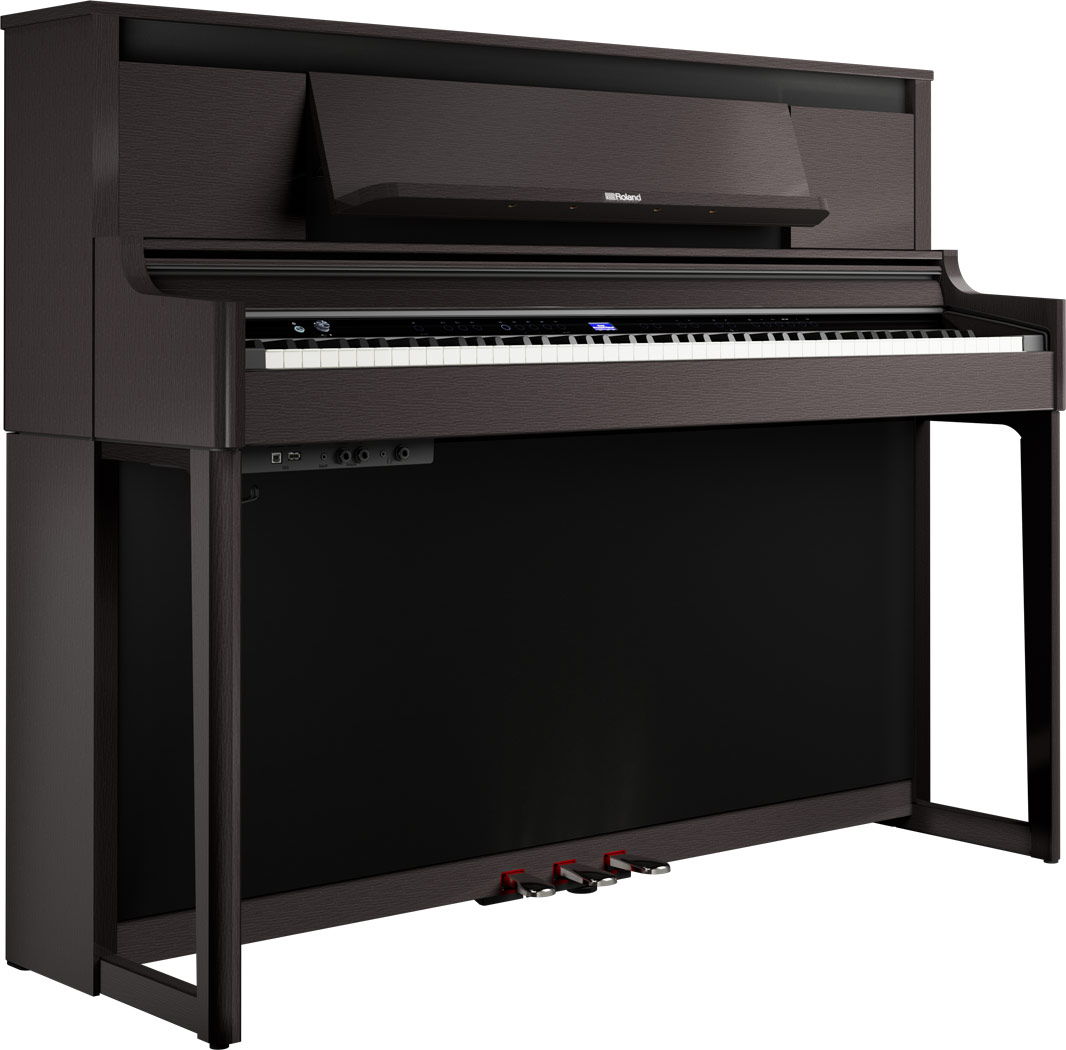
Finally, with regard to the LX9 cabinet, the music rest where the sheet music & music books rest, is about 3 inches further up from the keys than on the LX6 and LX5. In other words, the LX9 music rest is approximately 10″ above the keys and the music rest on the LX6 and LX5 is approximately 7″ above the keys. For some people, if you wear “bi-focal” glasses, this height difference could be an issue for you depending on your height and type of glasses you wear, assuming you wear glasses.
The polished ebony and polished white cabinets that are offered are noticeably higher priced than the “matte” cabinet finishes because that hi gloss cabinet finish is more costly to produce. It takes special materials and production equipment to apply the polished finish on a digital piano, but otherwise the pianos sound and function the same.
It is important to note that the polished finishes, especially polished ebony, are higher maintenance because dust, dirt, and fingerprints do show up more easily on those cabinets and take more cleaning and maintenance because of that. The polished cabinet finishes are certainly more elegant in their appearance, but they do have those “downsides” of higher and more frequent upkeep.

There are different dimensions of each LX model and this is primary due to the height of each model. Otherwise the width and depth of each LX model are nearly the same. If you want to see the exact dimension specs, then take a look in the comparison chart above. As for the weight of each LX model, the LX9 weighs 245 lbs and the other two models are under 200 lbs. So in terms of weight, these LX models are not super lightweight like some lower priced digital pianos, but overall they are not that heavy as compared to other brands and models in these higher price ranges.
But I will say that as compared to the weight of the top upright digital pianos from Yamaha, Kawai, or Casio, their top upright style digital pianos are all under 200 lbs whereas the Roland LX9 is well over 200 lbs. That different is likely due to the cabinet structure and height. As an example, the Roland LX9 is approximately 7″ taller than the top Yamaha or Kawai upright cabinet models for their digital pianos. This means that as far as the Roland LX9 goes, this model is the tallest one of the 3 top brands and that height difference can be seen as an advantage in looking more like an actual acoustic upright piano. For those people who may have height restrictions in the space where the piano would go, then you’ll need to pay closer attention to the dimensions of these cabinets.
FACTORY WARRANTY

 It is important to get a factory warranty on any new digital piano that will cover the expense and hassle of getting your piano repaired should it ever need it. These days the top brand digital pianos make very reliable instruments and it is seldom that a newer model of top name digital pianos will have an issue and need to be repaired. Nevertheless, it can happen so a factory warranty from a good digital piano company is important.
Most top name brands have a 5-year parts & labor warranty, which is a long time and normally is more than enough time to cover any issues that could arise in your digital piano. However, a number of years ago the Roland company decided that it wanted to “dominate” the factory warranty coverage of the name brands and decided to offer a 10-year warranty! I thought 5 years was long enough but Roland increased their 5 years to 10 years for warranty service. Personally I thought this was a good “marketing idea” for their Roland pianos because typically if repairs are needs they usually happen during the 1st five years. Year 5-10 typically sees less issues than years 1-5.
Since Roland does not produce real acoustic pianos like Yamaha and Kawai do, it’s name recognition in the piano industry is not as great as Yamaha & Kawai. So to give Roland even more recognition in the digital piano business, they increased their warranty coverage to 10 years, and it is the only name brand digital piano company to do so. Will someone actually need to use the 10 year warranty in the years 6-10? We hope not because warranty repair for any brand can be a bit of a hassle depending on the age of the digital piano, if parts are still available, and where you live. Nevertheless, 10 years is twice as long as 5 years and to get a 10-year warranty is a good thing, as long as that manufacturer has been in business for a long time and has a good reputation.
CONCLUSION & FINAL THOUGHTS
 When trying to decide on what brand and model you want in a digital piano, just keep in mind that many (but not all) Roland digital pianos have a very long factory warranty. Regardless, it’s the specific digital piano model that you should concentrate on and whether it meets your musical needs and goals, your aesthetic needs, and your budget. There are a few different top name digital piano brands out there but they are not all created equal.
The current model Roland LX digital pianos have come a long way from what they used to be, especially when considering the actual piano sound realism. Whether you are considering the Roland LX9, LX6, or LX5, depending on the price range you need to be in, you cannot go wrong with any of them. I like them very much, the grand piano sound realism has been substantially improved for realism and accuracy from previous models, the key actions in the 3 models are comfortable and responsive, but particularly the “Hybrid Grand” key action (as Roland calls it) in their LX6 and LX9, and the LX pianos are attractive in their nicely designed cabinets.
But when it comes to making a choice among the 3 LX models, assuming you are not able or wanting to do the top LX9, then even though there is a big price stretch to go from the LX5 to the LX6, if you plan on wanting to keep the piano for a long time into the future and you were originally maybe wanting to be in the LX5 price range at about $4000 for the matte cabinet finish, then I would recommend you try to increase your budget and stretch up to the LX6.

This is because of some important reasons which are the LX6 sounds noticeably fuller and richer because of its upgraded internal speaker system, it has a more responsive and comfortable key action from the front of each key to the backs of the keys because it has the upgraded “hybrid grand” action as opposed to the more standard PHA-50 key action in the LX5. The LX6 piano is also taller and looks even more like a traditional size acoustic upright piano as compared to the LX5.
But whichever model you should choose, you will like be happy with any of them because they share almost all the same digital features other than internal speaker system, key action, and cabinet design & measurements. But given that you will be at a $4000+ price range if considering a Roland LX model, this is not a small amount of money. So do your research and homework and then reach out to us because not only will we give you some important additional and helpful shopping advice, but we can help get you lower pricing on any on the top brands and models than what you will otherwise find on Amazon or the internet.