



I personally play on some of the best acoustic grand pianos available including Steinway, Yamaha, and Kawai, and I recommend them to discerning, accomplished musicians who simply want this kind of playing experience and have the money to afford it and the space to put it in. But some of the new digital pianos are amazing and definitely worth consideration for the way they play and the way they sound.
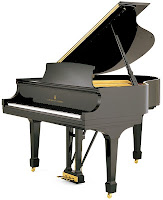 In my long career as a musician & piano instructor to thousands of people over the years, I have played & taught lessons on acoustic upright & grand pianos all my life including such famous brands such as Steinway, Yamaha, Kawai, Baldwin, Mason-Hamlin, Shimmel, Petrof, Bosendorfer, Boston, Kimball, Bechstein, Fazioli, Young Chang, Samick, Wurlitzer, Story & Clark, Kohler & Campbell, Knabe, Chickering, Cable, and others. I am no stranger to acoustic pianos and have (and still do) enjoy playing, recording, and composing on some of them. But beauty is in the eye of the beholder, as the old saying goes, so in my opinion the beauty of the piano sound & key action in acoustic pianos (for the vast majority of people these days) is being closely re-created in some of these new digital pianos. Therefore can duplicate the “real thing” in many cases for a lot of people who otherwise could not tell the difference and who cannot afford to purchase the “real thing.”.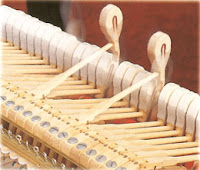
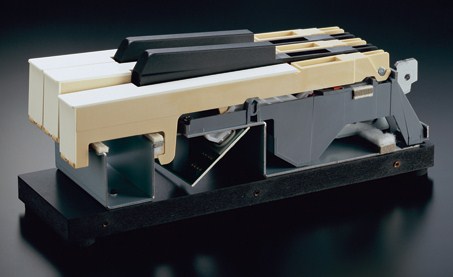 TTo begin with, the real thing (an acoustic piano) includes a completely organic key action. So when the piano keys are properly weighted & graded and move smoothly with the ability to express music in detail with subtle nuance or loud crashing crescendos, an acoustic piano is enjoyable to play, Some of the digital pianos have all plastic key actions, some are hybrids with part wood and part plastic, and others are all wood key actions. You don’t want the key action to be too heavy or too light or have too much resistance pushing down or for the keys to spring back up too quickly. All of these key functions are important and enable music to be played & expressed with feeling and emotion so you can personally get in touch with the music.

When it comes to piano key actions, whether the digital pi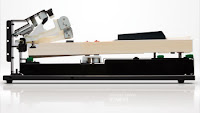 ano key action is plastic, partial wood, or an all wood variety is not nearly as important as it’s weight and resistance, reaction time, smoothness, and your overall playing experience based on where you are (or might be) musically, and your desire to play music. I have played all of these top brand digital piano key actions and have been happy on many of them, as long as they are made well and function correctly. But unless you play piano well you would need to ask someone like me who knows that differences, as to what is good and what is bad in a digital piano key action. Just contact us and we can help you find the right one for your needs.
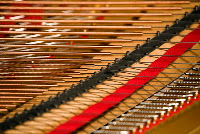
The next step in reproducing the acoustic piano in a digital instrument is the getting a realistic piano sound. It starts with the piano strings (there are over 200 of them in a regular acoustic piano) including the vibrations, harmonics, and overtones they make. Then there are the wood hammers shanks & felt on the hammers including their size and density, the dampers, the wood soundboard including the type & quality of wood & other wood components, the cast iron frame holding the strings, the pedals & pedal functions, the cabinet construction itself and other organic components. They all contribute to the quality and beauty of the piano sound. People ask me all the time…can a digital piano really duplicate or come very close to recreating the “real thing?”
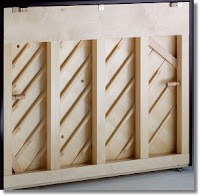 reproduction, pedal movement & sound technology, and new speaker & audio amplifier technology which produces an uncanny acoustic realism. If you have not heard new digital pianos recently then you have no idea of the great strides that have been made these days. In fact if you closed your eyes you would be hard pressed to be able to tell what was a actual acoustic piano and what was a digital piano. The new digitals are truly amazing in a variety of price ranges by many different piano companies including Yamaha, Kawai, Roland, Casio, Korg, and a few others. Even piano teachers, Universities, and professional artists are buying them.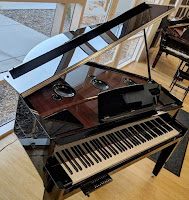
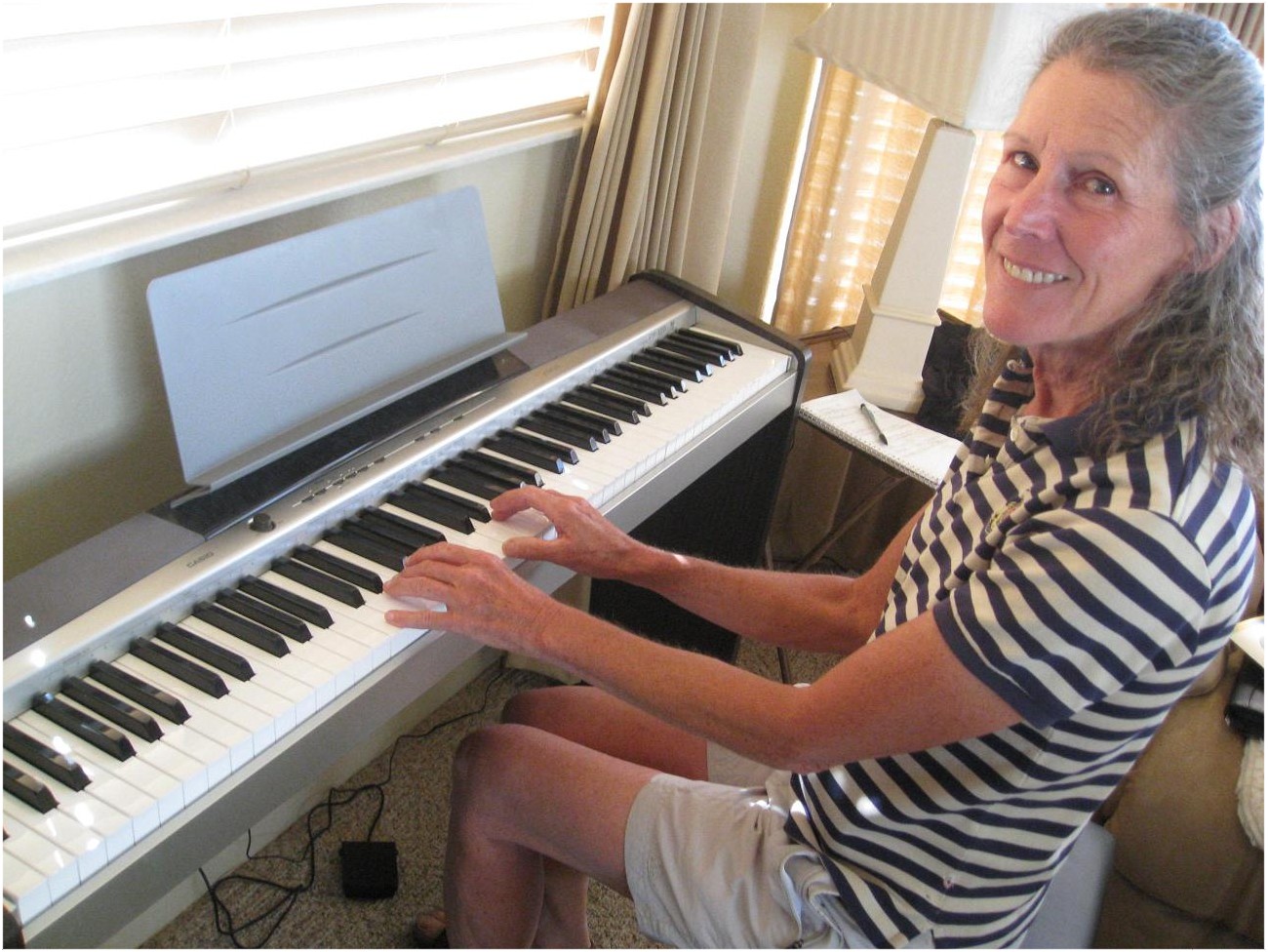
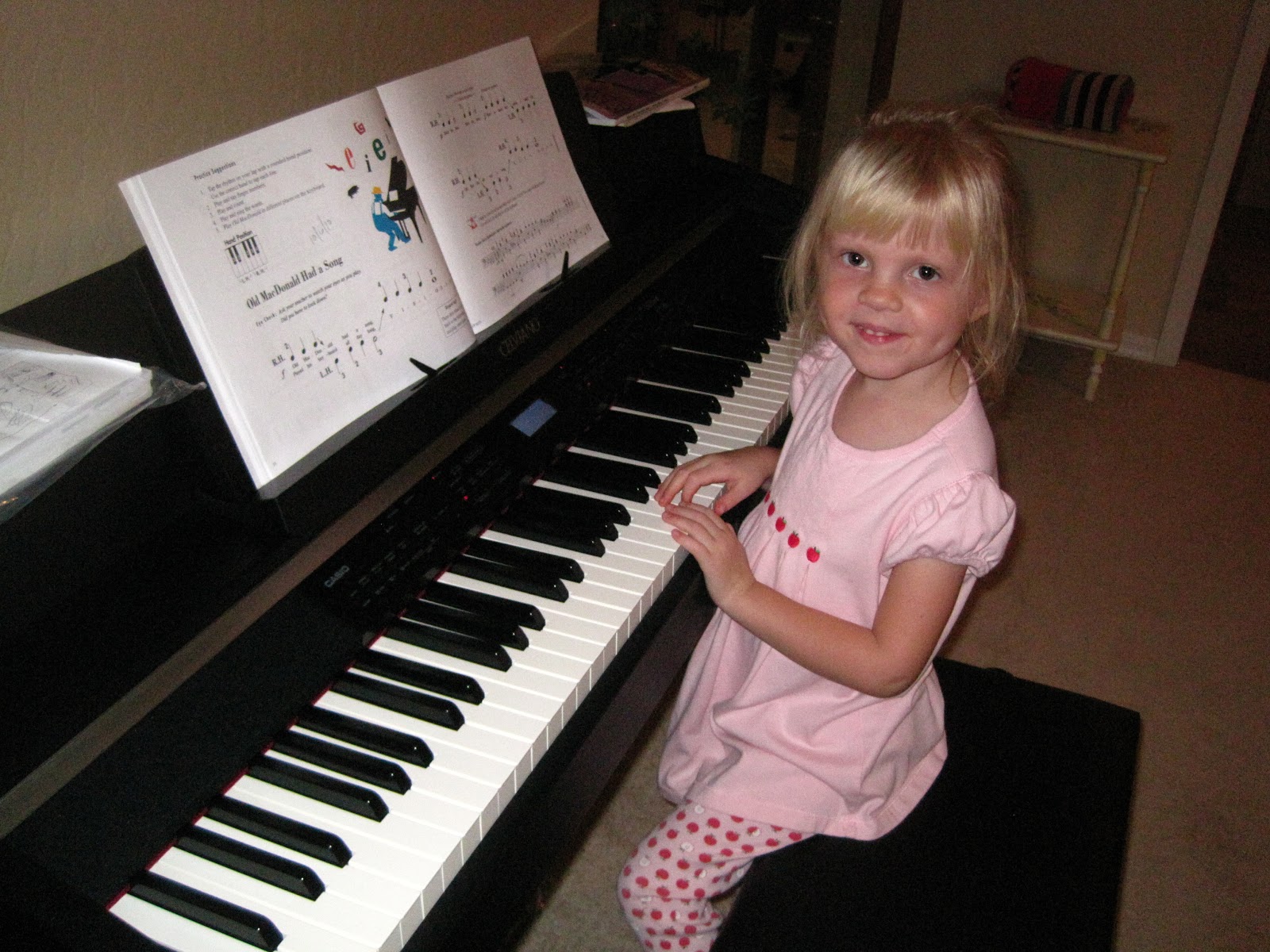
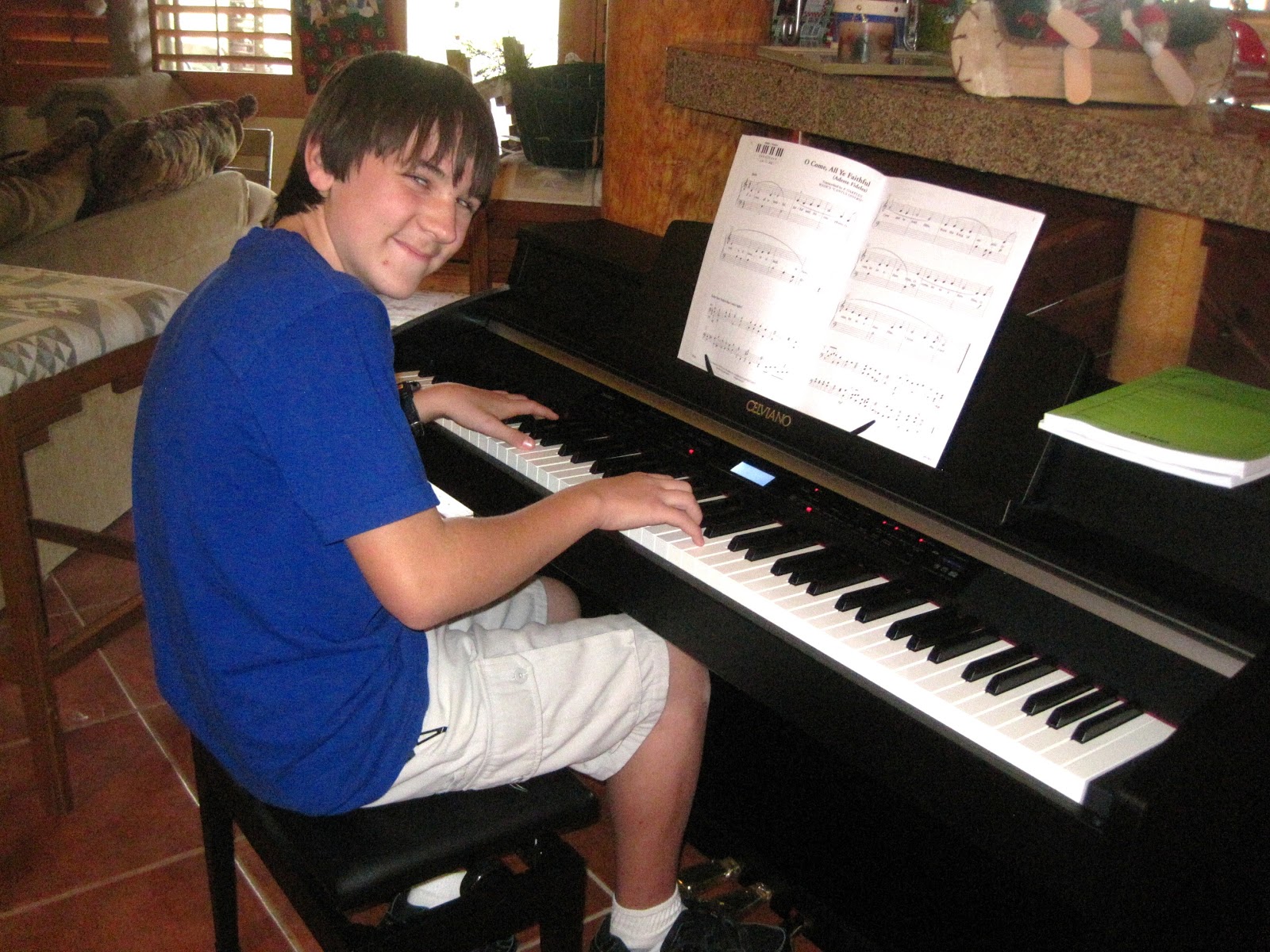 This is because ultimately the digital piano sound is projected through a small or large set of internal speakers powered by audio amplifiers and is not “purely organic” like an acoustic piano is. However with that being said, I have found that only 10-20% of all people (in the US) who are either studying or playing the piano these days (which is a small number of people) would prefer a vertical acoustic piano over a high quality vertical digital piano given a similar price range and being played for recreational entertainment & enjoyment.
Just because you own a digital piano does not mean you cannot be serious about your music and about your playing. Whether it’s Bach, Beethoven, Elton John, Billy Joel, or in between, you can play nearly anything on a good digital piano, plus you can plug in a pair of stereo headphones for private practice and the digital piano will not go out of tune which is a big savings in time and money over the years in keeping an acoustic piano in perfect tune. For singing purposes you can also digitally transpose to any key up or down, so the song is in your vocal range, something you cannot do on an acoustic piano. The musical advantages to a good digital piano over an acoustic is fairly large assuming the particular digital piano has the proper piano sound, key action, and pedaling components. All digital pianos have differences as compared to each other as do all acoustic piano pianos have differences as compared to each other, so it does take some time and research to pick the right one.

Without going into the technical aspects here of some of the newest and best digital pianos available right now, I can say that they are satisfying musical instruments that will give a person years of musical enjoyment and allow you to be able to express your innermost feelings with passion and beauty. Many digital pianos now have exciting features like interactive USB connectivity with iPad and laptop computers utilizing apps & programs that help with music education and home practice that are not possible with an acoustic piano.
Then there are those digital pianos which go even further with added features like interactive drum rhythms, chord styles, MIDI multi-track recording and audio wav & MP3 recording and playback, added instrument sounds, interactive user display screens, and more. There’s almost no end to what some of these new pianos can do and many of these new features are useful and very cool…and they can be motivating in getting the student to practice and play more often…and that’s the ultimate goal…making it fun and motivating.
 But for most people, we recommend new high quality digital pianos as a perfect choice for a piano that you can keep for years. Although all pianos, whether digital or acoustic, can potentially break down or have problems (I have had a few service issues during the years even with the finest acoustic grand pianos), generally speaking the top manufacturers build them to last for a long time and the new top name brand digital pianos are quite reliable. When it comes to appreciation or depreciation in pianos, both acoustic & digital pianos will and do depreciate in value, some more than others. Just look at the used piano market on-line or in stores and you’ll see this for yourself. As more and more people buy new digital pianos, unfortunately used acoustic pianos will increase in quantity as people try to sell them off, and as supply goes up, demand and price will go down as they have been over the last few years. So no matter which type of piano you get, the investment value as far as resale, is not going to be good.
*Take a look on this blog for reviews of new 2026 digital pianos by Casio, Kawai, Roland, Korg, and Yamaha, to name a few. Then you’ll know more about what’s new in digital pianos.
If you want more info on new digital pianos and LOWER PRICES than internet discounts, please email me at tim@azpianowholesale.com or call direct at 602-571-1864.


